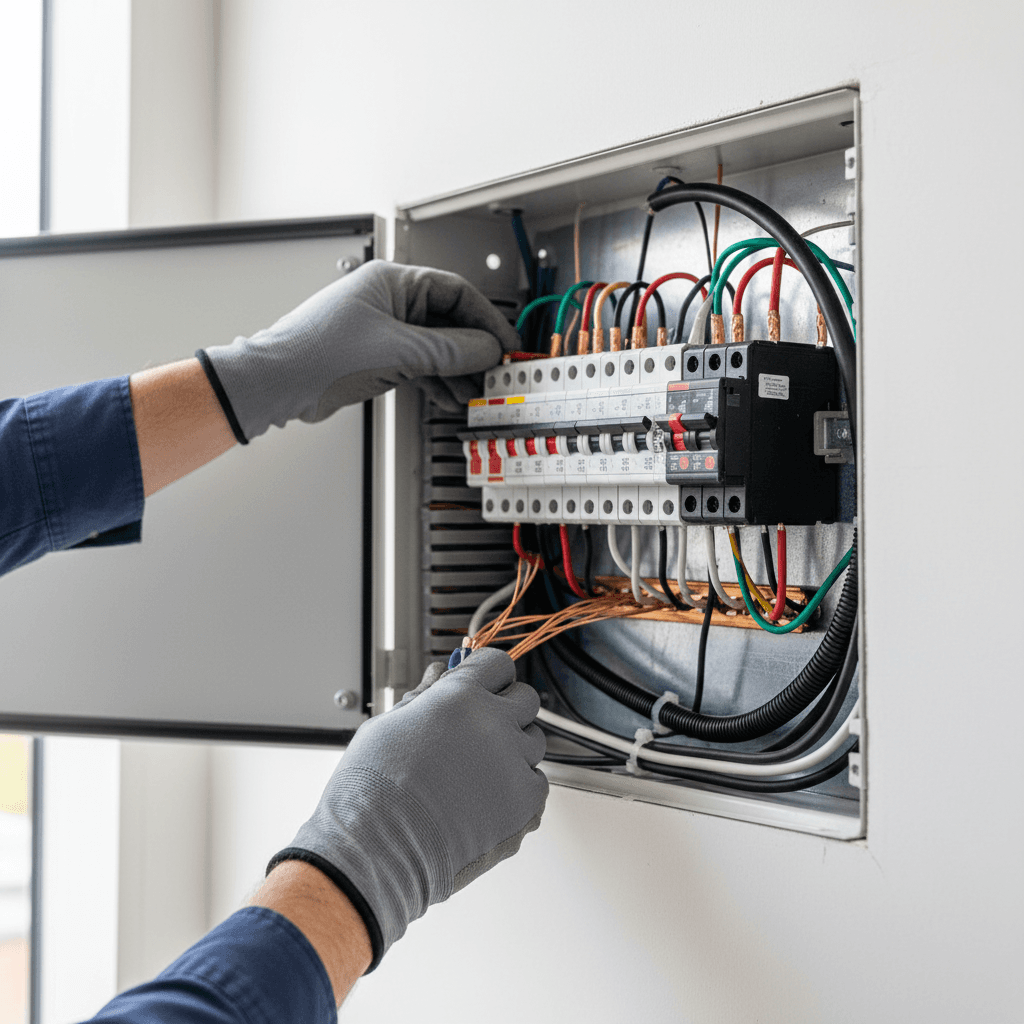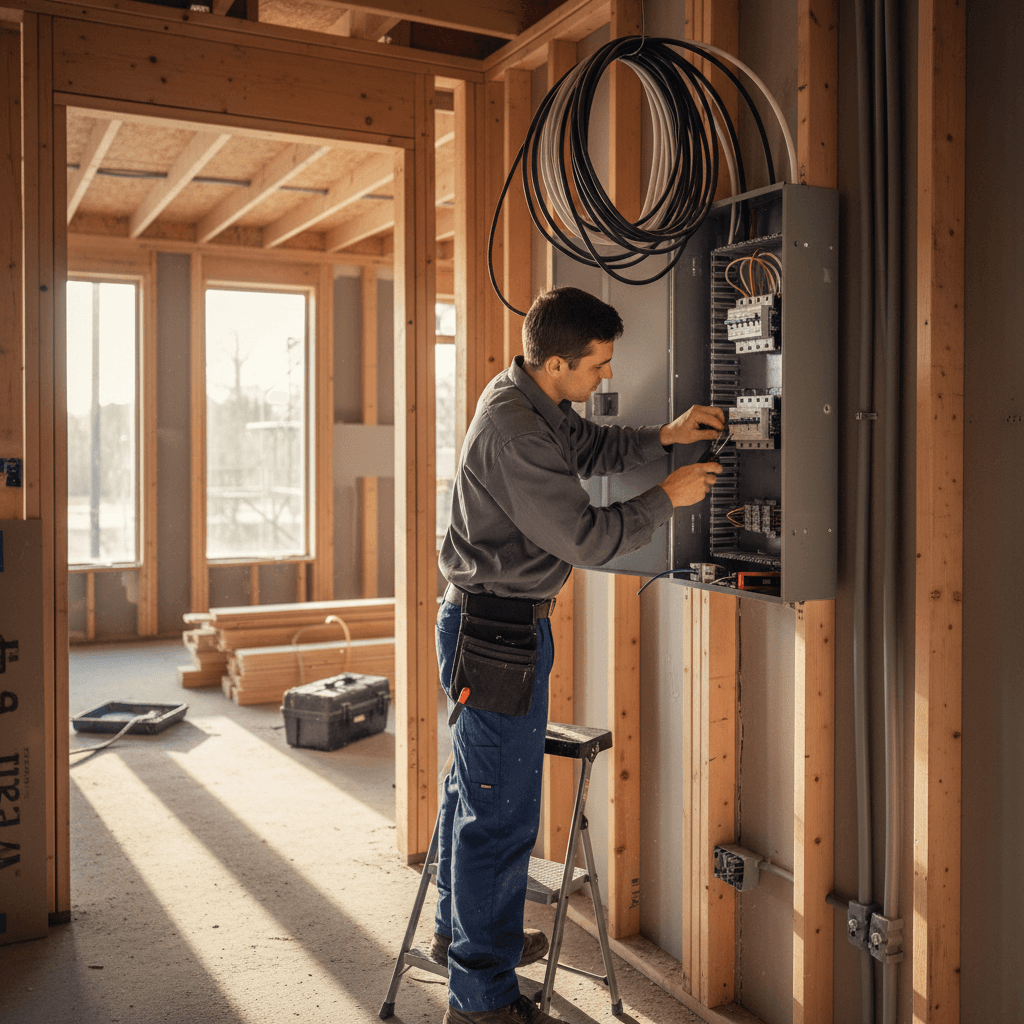
Common home wiring upgrade signs include frequent circuit breaker trips, flickering lights, and persistent buzzing or sizzling sounds near outlets. You should also watch for burning smells or discolored wall plates, as these indicate serious safety risks that require immediate professional attention. These symptoms often signal that an aging electrical system cannot safely handle modern power demands.
Many Fillmore homeowners overlook small electrical nuisances, such as a flickering lamp or a warm outlet cover, until a major failure occurs. While these issues might seem like minor inconveniences, they are often symptoms of an aging electrical system that is struggling to meet modern power demands. In older Utah properties, outdated wiring is not just an efficiency problem; it is a significant safety risk that can lead to electrical fires or equipment damage. Understanding the health of your home's infrastructure is essential for long-term safety and reliability. In this guide, we will explore five critical signs that your wiring needs a professional upgrade. We will cover everything from frequent breaker trips to the hazards of ungrounded outlets, providing you with the practical knowledge needed to assess your home's electrical integrity and plan for a safer future.
Recognizing the Risks of Outdated Home Wiring
Fillmore and the surrounding Millard County areas are known for homes with immense character and historical value. However, the electrical infrastructure within these older properties was often designed for a much lower level of consumption. Decades ago, a typical home only needed to power a few lights and basic appliances; today, that same system must contend with high-wattage kitchen appliances, climate control systems, and numerous smart home devices.
Identifying home wiring upgrade signs is the first step in ensuring your property remains safe and functional. These signs are critical indicators that your electrical skeleton is reaching its limit and can no longer support modern demands without compromising safety. When a system is overtaxed, it generates excessive heat, which can lead to insulation failure or electrical fires. Recognizing these warnings early allows for proactive maintenance rather than waiting for a costly emergency repair.
Our expert electricians focus on providing professional electrical services that prioritize long term performance and code compliance. By addressing outdated wiring before it fails, you can prevent damage to expensive electronics and ensure your home is equipped for current and future energy needs. Identifying the risks is not just about convenience; it is about protecting your family and your investment through reliable, efficient solutions.
Sign 1: Frequent Circuit Breaker Trips and Blown Fuses
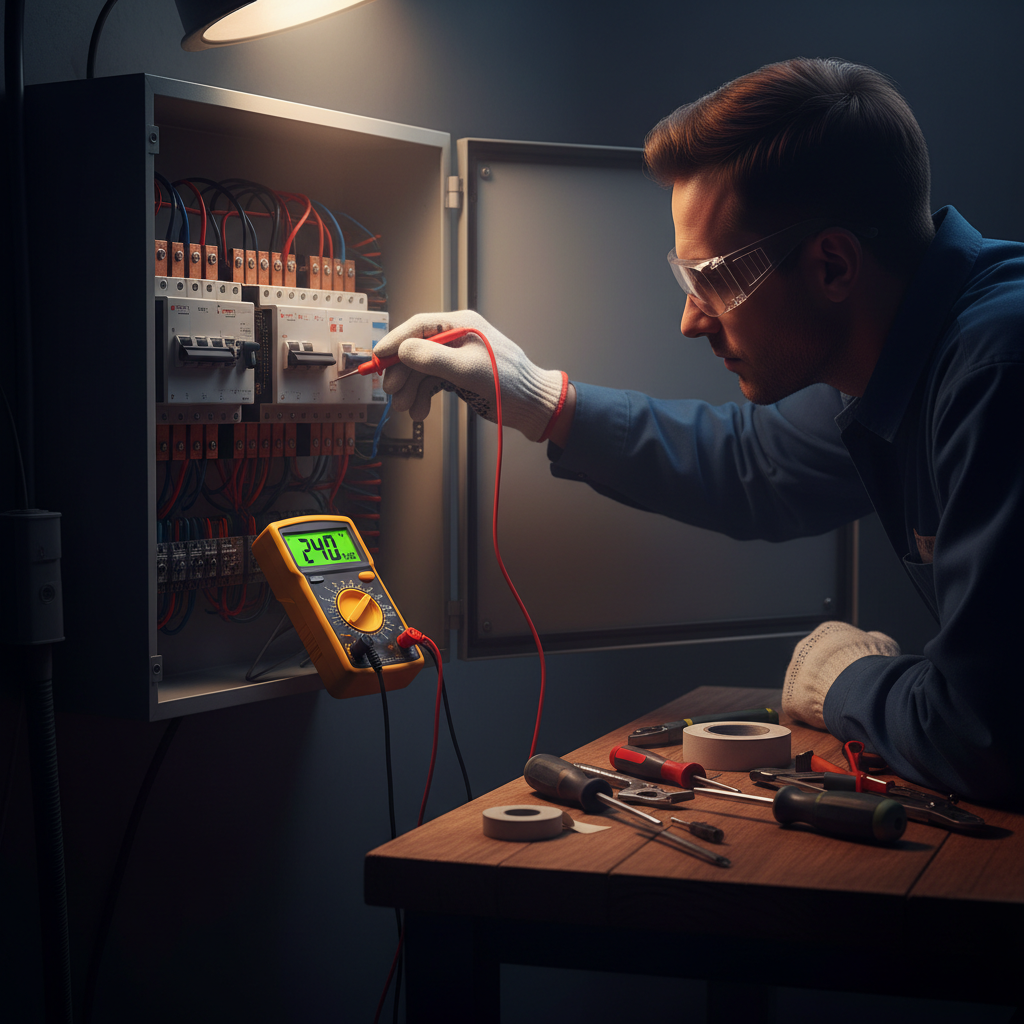
The circuit breaker serves as the first line of defense in your home; it is a safety switch designed to cut the flow of electricity when it detects a level of current that exceeds the safe capacity of the wire. Its primary job is to prevent internal components from overheating and starting a fire. While a single trip might be a nuisance trip caused by a specific, high-draw appliance being used at the same time as another, frequent occurrences are clear home wiring upgrade signs. This indicates a systemic overload where the existing circuits simply cannot distribute enough power for your daily routines.
A common question we address is whether 20 year old wiring is safe. While wiring from the early 2000s is not inherently ancient, the electrical demand in Fillmore homes has shifted dramatically over the last two decades. Modern households now rely on high-consumption electronics and smart appliances that the original electrical plan might not have anticipated. If your breaker trips every time you plug in a vacuum or run the microwave, the circuit is likely operating at its maximum capacity and requires a professional assessment. In these cases, professional electrical services are necessary to determine if the issue is a failing breaker or an overtaxed wire gauge.
In older Millard County properties built before 1960, you may still find fuse boxes rather than modern breaker panels. Unlike breakers, which can be reset, fuses must be replaced once they blow. A significant danger occurs when homeowners use higher-rated fuses to stop frequent blowing, which allows the wires to carry more current than they were designed to handle. Our expert electricians can evaluate these older systems to ensure they meet current safety codes and provide the reliability your modern lifestyle requires.
Sign 2: Flickering or Dimming Lights During Appliance Use
If you notice your living room lamps dim for a split second when the refrigerator compressor kicks in or the air conditioner cycles on, your home is providing one of the most visible home wiring upgrade signs. This phenomenon occurs because these high-demand appliances require a significant surge of current to start their motors. When the existing circuit is already heavily loaded or the wiring gauge is too small to handle the surge, a momentary voltage drop occurs, causing the lights to flicker or dip in brightness.
While a single flickering bulb might just be loose in its socket, systemic dimming across multiple fixtures suggests the issue lies deep within your walls. It is important to distinguish this from external utility grid fluctuations; if the dimming only happens in response to your own appliances, the problem is localized to your property. Our expert electricians often find that older homes in Fillmore were wired with smaller gauge wire or have too many outlets daisy-chained onto a single circuit, which prevents consistent power delivery for modern high-wattage equipment.
Beyond the visual dimming, pay close attention to any auditory cues. Buzzing, popping, or crackling sounds coming from a light switch or outlet when an appliance starts are indicators of arcing. Arcing occurs when electricity jumps across gaps in loose or damaged connections, generating intense heat that is a leading cause of residential fires. If you experience these symptoms, it is vital to contact Gobes Electrical for a thorough inspection. Providing professional electrical services means we look past the light fixture itself to ensure the underlying circuit distribution and wiring gauge are robust enough to meet your daily needs safely.
Sign 3: Two-Prong Outlets and Missing Grounding
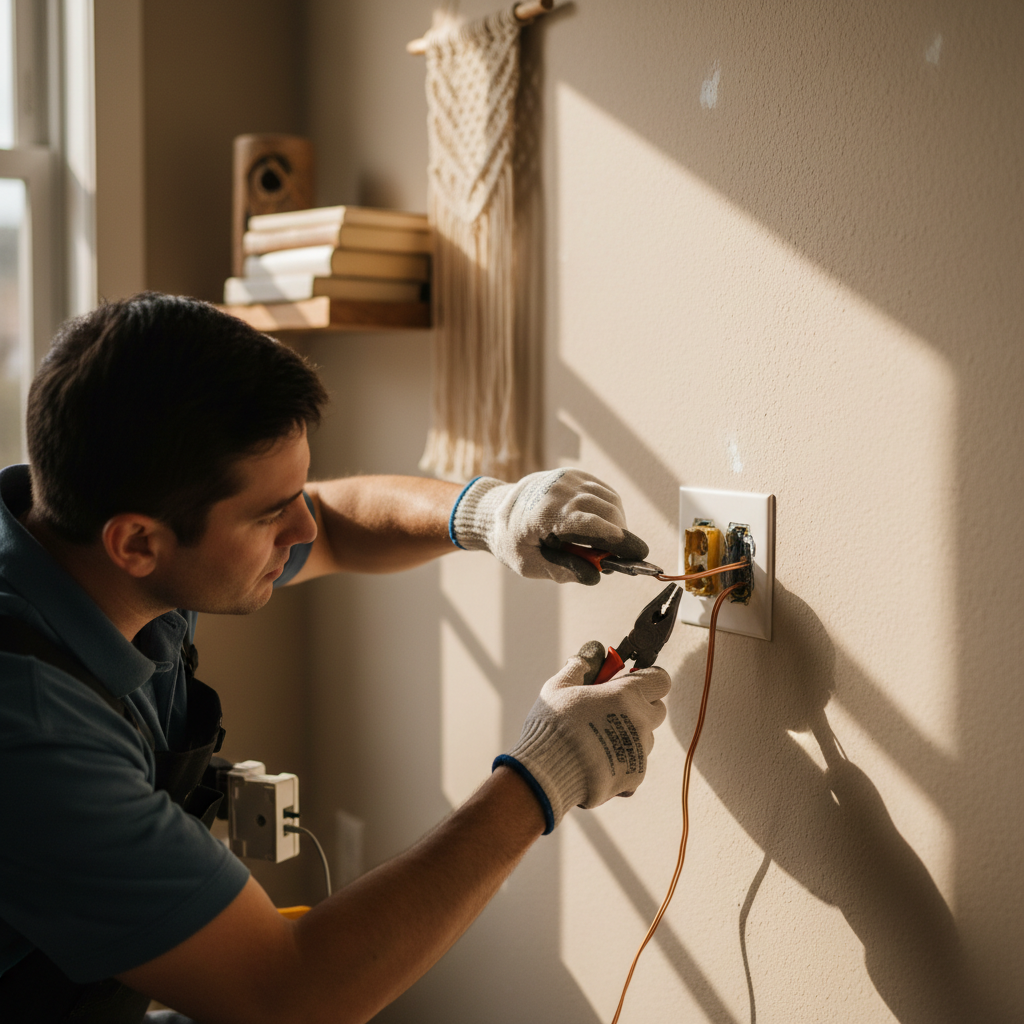
Two-prong outlets are a visible indicator that your electrical system lacks a grounding conductor. The third prong on modern plugs is not there for stability; it provides a dedicated path for excess electricity to return safely to the ground in the event of a short circuit or surge. Without this path, stray current can travel through your body or damage delicate internal components in computers and high end appliances. Upgrading to three-prong receptacles requires more than just swapping the faceplate; it requires verified grounding to the panel to be effective.
In many historic Fillmore properties, two-prong outlets often signal the presence of knob and tube wiring. This ungrounded system is no longer code compliant because it relies on open air for cooling and lacks the capacity for modern loads. If you are wondering how to tell if a house has updated electrical, start by looking at the receptacles in high moisture areas. Modern standards require Ground Fault Circuit Interrupter (GFCI) outlets in kitchens, bathrooms, and outdoor spaces. These devices monitor the flow of current and instantly cut power if they detect a leak, providing a critical layer of protection against electrocution.
Our expert electricians specialize in transitioning older homes to safe, grounded systems that meet current Utah codes. Simply replacing a two-prong outlet with a three-prong version without a ground wire is a safety violation that creates a false sense of security. To ensure your home is truly protected, contact Gobes Electrical for professional electrical services that prioritize long term safety and technical accuracy.
Sign 4: Burning Smells or Discolored Outlet Covers
While missing grounds represent a long-term safety risk, some home wiring upgrade signs demand immediate attention to prevent property loss. If you notice a persistent "fishy" or acrid plastic smell near a receptacle, do not ignore it. This specific odor often indicates that the PVC insulation on your wires is overheating and beginning to melt or smolder. Upon closer inspection, you may find brown, tan, or black charred marks on the face of the outlet cover or the surrounding wall. These visual cues are clear evidence of extreme heat buildup within the electrical box.
This heat usually stems from loose terminal connections or wires that are too thin to handle the current being pulled through them. In many older Fillmore properties, decades of thermal expansion and contraction can cause screws to loosen, creating high resistance points that act like small heating elements. Our expert electricians prioritize a philosophy of doing the job right the first time; simply replacing a discolored outlet cover is a dangerous cosmetic fix that leaves the underlying fire hazard active. If you see or smell these warnings, contact Gobes Electrical immediately for professional electrical services. We will perform a detailed diagnostic to identify whether the issue is a localized connection failure or a sign of a larger system-wide compromise that requires a targeted upgrade.
Sign 5: Over-Reliance on Extension Cords and Power Strips
While visible charred outlets are urgent, a subtle indicator of a struggling system is the permanent presence of extension cords and power strips. These devices are designed for temporary power, not as long term substitutes for fixed wall outlets. If you find cords snaked across doorways, hidden under rugs, or stapled along baseboards to reach a home office or entertainment center, your home is sending clear home wiring upgrade signs. Cords tucked under carpets are particularly dangerous because they cannot dissipate heat, which leads to insulation failure and hidden fires. Furthermore, running cords across traffic areas creates a significant trip hazard for your family.
Relying on power strips to run multiple high demand devices from a single outlet often leads to branch circuit overloads. A proper home wiring upgrade involves more than just adding receptacles; it requires our expert electricians to evaluate your total electrical load and install new, dedicated circuits where they are needed most. By investing in professional electrical services, you can ensure strategic outlet placement that matches your modern lifestyle without compromising safety. To modernize your home power distribution and eliminate hazardous cord clusters, contact Gobes Electrical for a comprehensive system assessment.
Special Considerations for Older Homes in Utah
In Fillmore and throughout Central Utah, homes built between the mid-1960s and late 1970s often contain aluminum wiring. While aluminum was a standard choice during this era, it is significantly more prone to failure than copper due to its rate of thermal expansion. Aluminum expands and contracts much more than copper when electricity flows through it, which causes connections at outlets and switches to loosen over time. These loose connections create gaps where electrical arcing occurs, leading to the heat damage and home wiring upgrade signs discussed previously.
Beyond safety, upgrading outdated systems is a practical financial decision. Many homeowners' insurance providers in Utah now require proof of a wiring assessment or a full copper retrofit before issuing or renewing policies. Furthermore, a modernized electrical system is a major selling point in the local real estate market, as it removes a significant liability for potential buyers. Our expert electricians are well versed in current Utah codes and specialized remediation techniques. By utilizing professional electrical services to replace aluminum or aging knob and tube systems, you ensure your property remains compliant and protected. For a detailed evaluation of your home's infrastructure, contact Gobes Electrical to discuss a long term safety plan.
How Much Does it Cost to Rewire a 2000 Square Foot House?
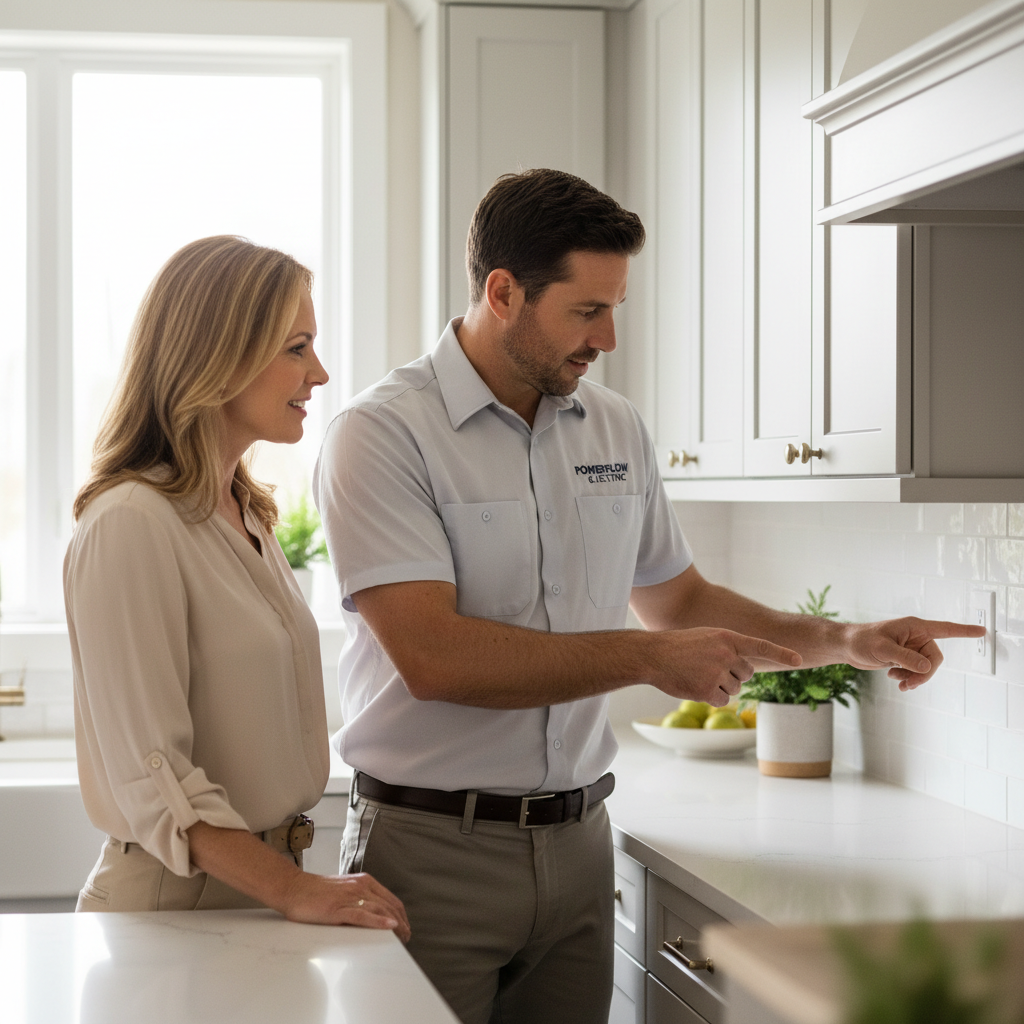
Estimating the cost to rewire a 2,000 square foot home requires looking at several variables unique to the property's construction. Generally, homeowners in Fillmore can expect an investment ranging from $8,000 to $15,000 for a complete system replacement. This total includes labor, high-quality copper materials, a new service panel, and required local permits. The primary factor influencing this range is accessibility. If our expert electricians can reach the infrastructure through an open attic or a crawlspace, the labor hours are significantly reduced compared to projects requiring extensive drywall removal and subsequent repair.
Material costs for copper wiring and modern circuit breakers fluctuate based on market rates, but these components are vital for long term reliability. While the upfront expense is notable, it is a critical investment in property safety. Modern systems eliminate the fire risks associated with the home wiring upgrade signs discussed previously, such as heat buildup and insulation failure. Furthermore, a certified upgrade often leads to lower homeowners' insurance premiums and a higher valuation in the Millard County real estate market.
Before committing to a full replacement, contact Gobes Electrical for a detailed diagnostic. We provide professional electrical services that determine if a total overhaul is necessary or if targeted repairs and circuit additions can resolve your issues safely. Our expert electricians focus on providing clear, technical assessments to ensure your home remains powered without unnecessary expenditure.
Your home's electrical system is its most important infrastructure, so staying alert to these warning signs is essential for your family's safety. Addressing flickering lights or warm outlets early can prevent major hazards down the road. If you want expert help navigating these technical upgrades, professional guidance ensures the job is done correctly. You can learn more about our team and our dedication to serving the Fillmore community; we are here to help you maintain a safe and reliable home.