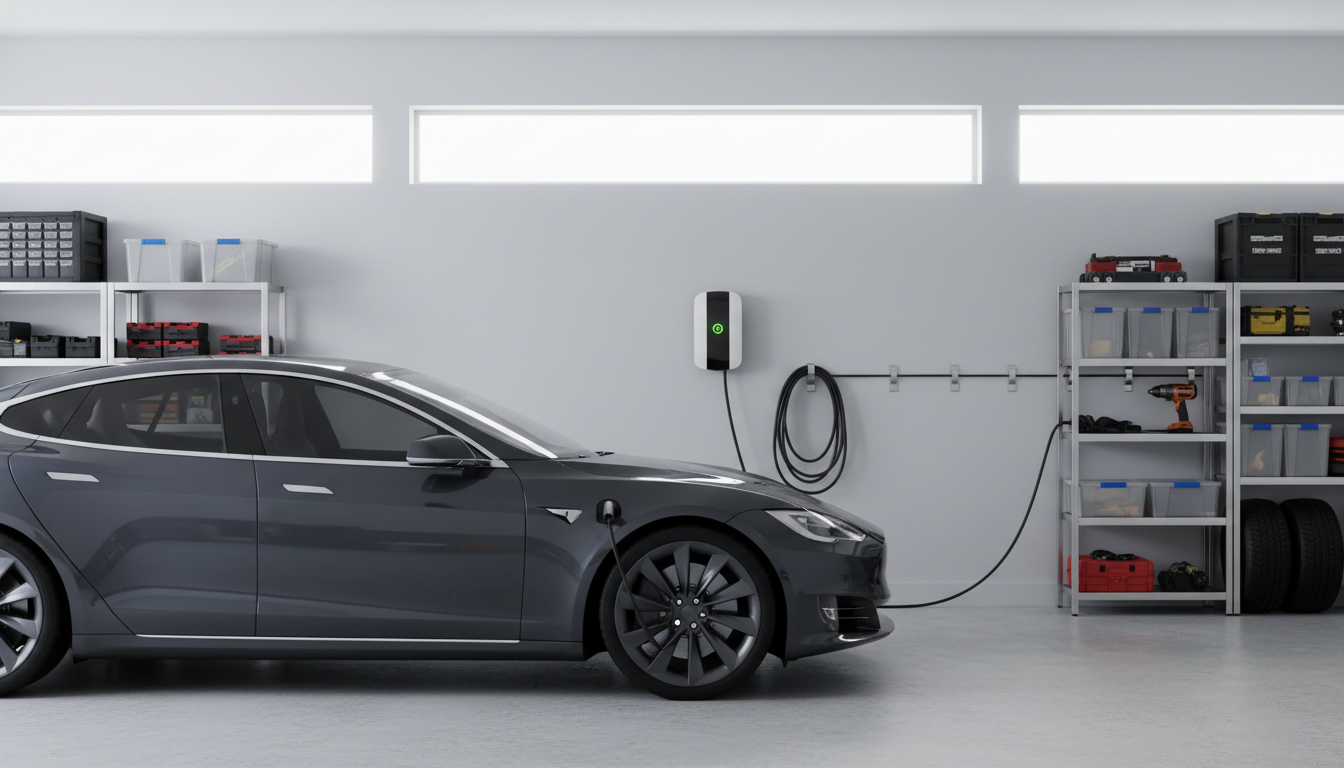
Level 2 EV charger installation requires a dedicated 240V circuit and a compatible charging unit to provide significantly faster charging speeds than a standard household outlet. While the hardware typically costs between $500 and $700, total expenses depend on labor, potential electrical panel upgrades, and local permitting requirements. Hiring a professional ensures the system meets safety codes and is positioned optimally for convenient daily vehicle charging.
Relying on a standard wall outlet to power your electric vehicle often feels like trying to fill a swimming pool with a garden hose. For homeowners in Fillmore, the convenience of an EV is frequently overshadowed by the frustration of overnight charges that fail to reach a full battery by morning. Upgrading to a Level 2 charging station is the definitive solution to this bottleneck; however, the transition involves more than just purchasing a unit. This guide examines the essential technical requirements for your home, including an assessment of your electrical panel capacity and the critical choice between hardwired and plug-in configurations. You will learn about the professional installation process, local cost factors in Utah, and why expert oversight is mandatory for maintaining home safety. By the end, you will have a clear roadmap for integrating high speed charging into your daily routine.
Understanding the Shift to Level 2 Charging at Home
Electric vehicle adoption is rising steadily throughout Utah, including right here in Millard County. As more drivers transition away from internal combustion engines, the focus has shifted toward practical home charging solutions. Most new EV owners start with Level 1 charging, which uses a standard 120-volt household outlet. However, this method is often frustratingly slow for the demands of rural living.
The fundamental difference between Level 1 and Level 2 charging is voltage and speed. Level 1 adds a mere 3 to 5 miles of range per hour. For a Fillmore resident who regularly travels long distances between towns, this slow trickle often fails to provide a full charge by the next morning. A level 2 EV charger installation utilizes a 240-volt circuit, providing 15 to 30 miles of range per hour. This increased capacity allows you to recover hundreds of miles of range overnight, ensuring your vehicle is ready for a full day of driving without range anxiety.
At about Gobes Electrical, we understand that dependable infrastructure is essential for modern homeowners. Transitioning to a high-speed home station is not just a luxury; it is a necessity for those who rely on their vehicles for long commutes or frequent travel across the county. Providing professional electrical services means ensuring your home can support these modern loads safely. If you are ready to upgrade your charging capabilities, you can contact us for a quote to discuss your specific garage or driveway requirements.
Is Your Fillmore Home Electrical Panel Ready for an EV?
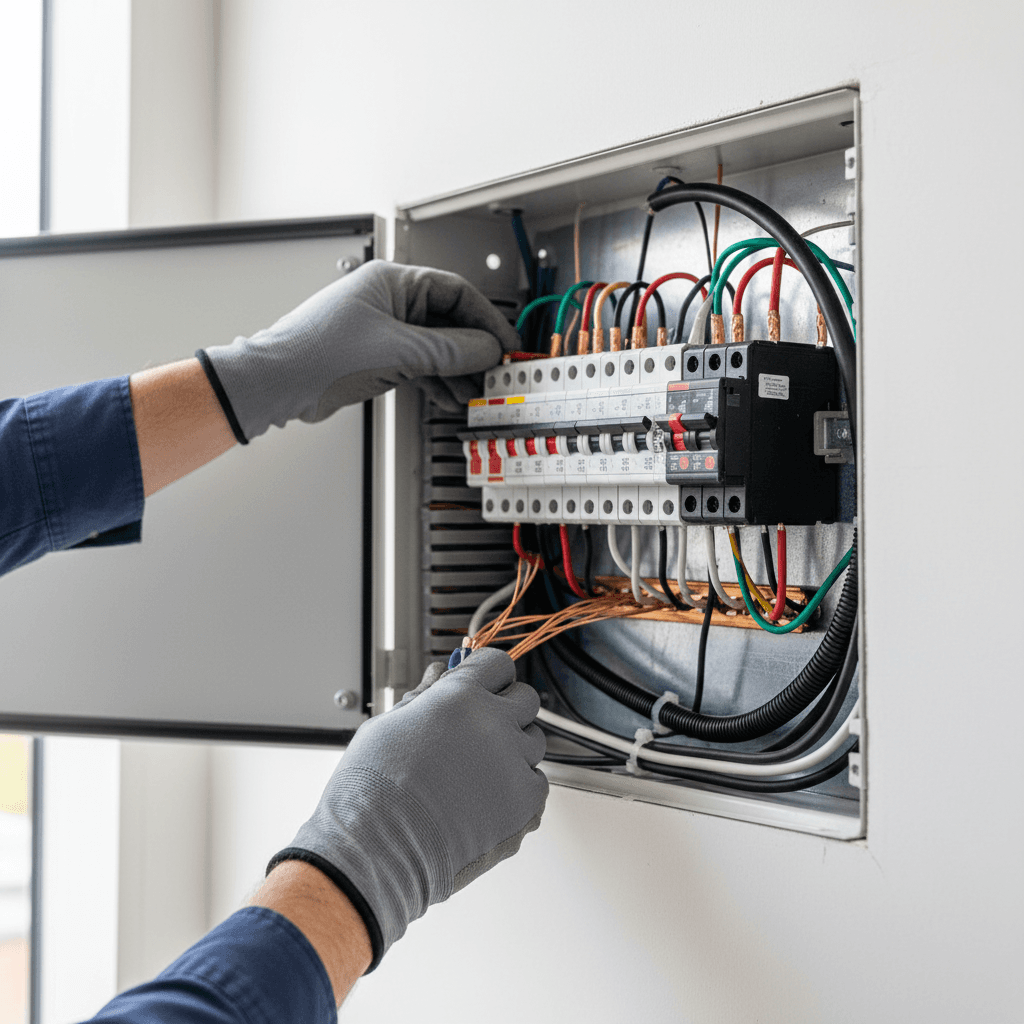
Before moving forward with a level 2 EV charger installation, the most critical question to answer is whether your home’s electrical system has the capacity to support it. A charger is not like a toaster or a vacuum; it is a high-demand, continuous load that pulls significant power for hours at a time. To ensure your home remains safe, we must look beyond just having an empty slot in your breaker box.
To determine readiness, we perform a load calculation. This process involves totaling the amperage requirements of your existing appliances, such as your HVAC system, electric range, and dryer, against the main breaker's total capacity. We strictly follow the 80/20 rule. According to the National Electrical Code, a continuous load, which is any load expected to run for three hours or more, should not exceed 80 percent of the circuit’s rated capacity. For example, if you install a 50-amp breaker for your charger, the vehicle itself should only draw 40 amps. This 20 percent buffer prevents the breaker and wiring from overheating during the long sessions required to reach a full charge.
In Fillmore, many older residences were built with 100-amp electrical service. While this was sufficient for decades, adding a 40-amp or 50-amp EV circuit to a 100-amp panel often pushes the system beyond its safe limits. In these scenarios, a panel upgrade to 200 amps is usually necessary. This upgrade provides the required headroom to run your charger alongside your air conditioning and other household essentials without tripping the main breaker or risking thermal damage to the equipment.
Our team uses modern diagnostic tools to measure your current usage and identify potential bottlenecks in your system. If your panel is outdated or lacks the physical space for a new double-pole breaker, about Gobes Electrical can provide a clear path forward. Ensuring your infrastructure meets current safety codes is a core part of our professional electrical services. If you are unsure about your home's capacity, you can contact us for a quote to have an experienced electrician evaluate your panel before you invest in your new charging hardware.
Hardwired vs. Plug-in Level 2 Chargers: Which is Best?
Once you confirm your home can handle the load, you must choose between a hardwired connection and a plug-in unit. This decision impacts both your charging speed and the long-term reliability of the system.
A plug-in charger connects to a high-voltage outlet, typically a NEMA 14-50 or NEMA 6-50. The primary benefit is flexibility; you can easily unplug the unit for repairs or take it with you if you move. However, current National Electrical Code (NEC) standards require GFCI (Ground Fault Circuit Interrupter) protection for these outlets in garages or outdoor areas. Since most chargers have built-in ground fault protection, the presence of two GFCIs in the same circuit can lead to nuisance tripping. This often results in the breaker shutting off unexpectedly, leaving you with an empty battery when you need to drive.
Feature | Plug-in (NEMA 14-50) | Hardwired Connection |
|---|---|---|
Max Charging Speed | Typically 40 Amps | Up to 48 Amps or higher |
Installation Style | Receptacle and Plug | Permanent Wiring to Unit |
Weather Resistance | Moderate | Superior for Outdoors |
NEC GFCI Requirement | Required at Breaker | Not Required |
Hardwiring involves connecting the charger directly to the electrical circuit. This method allows for higher amperage; for instance, a 48-amp charge requires a 60-amp circuit, which must be hardwired under NEC rules. This setup eliminates the plug as a potential point of failure, as outlets can sometimes degrade over years of high-heat, continuous use.
At about Gobes Electrical, we generally recommend hardwired installations for a level 2 EV charger installation. It provides a more robust, weather-resistant connection for outdoor setups and avoids the reliability issues associated with GFCI conflicts. Our professional electrical services ensure your choice aligns with your vehicle's specs and your home's layout. If you need help deciding, contact us for a quote to review your options.
The Installation Process: What to Expect from a Professional Electrician
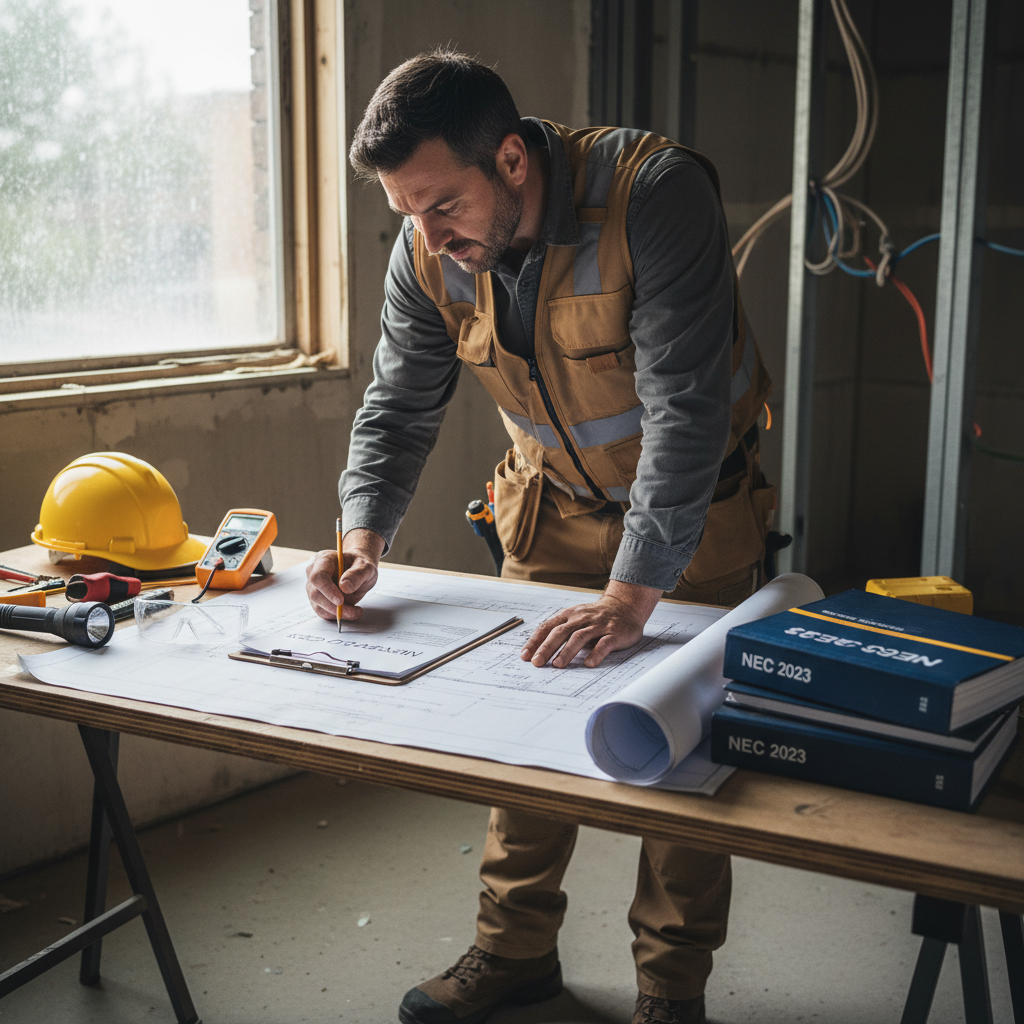
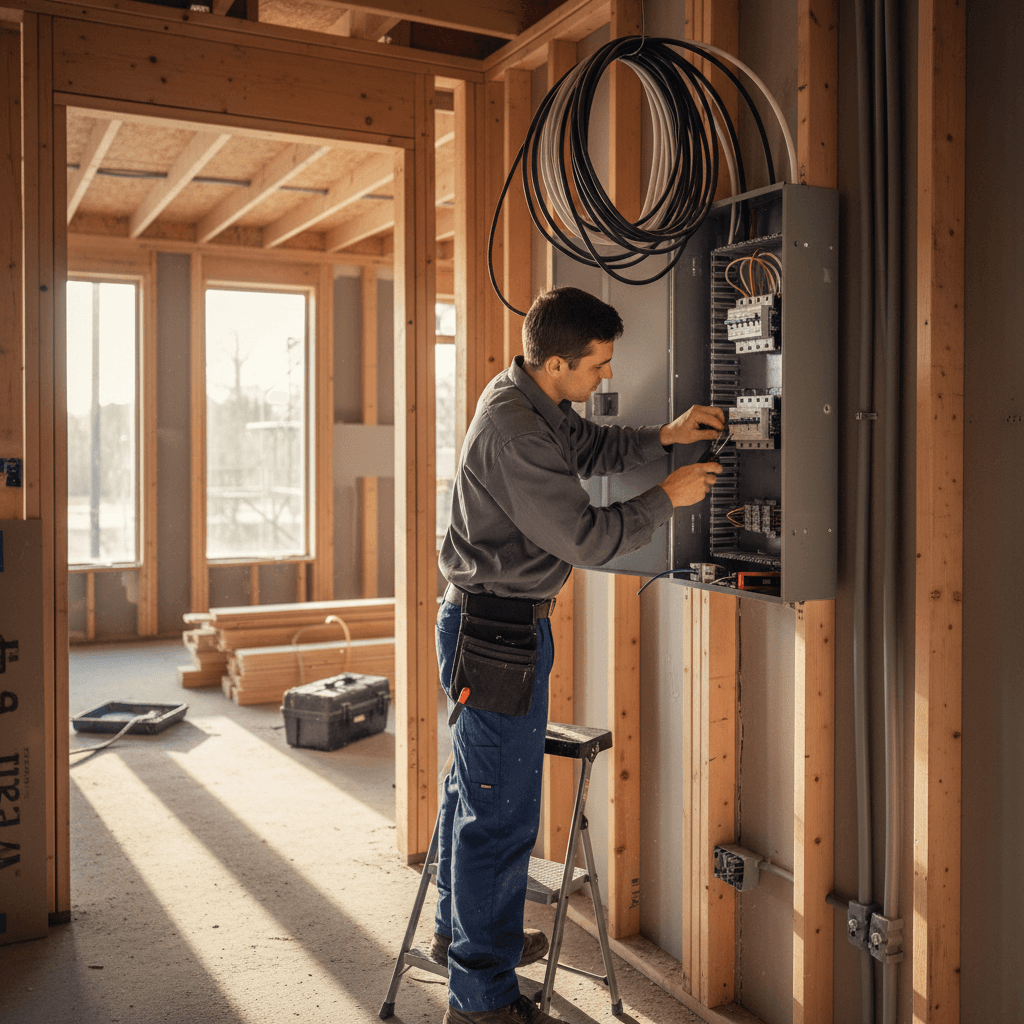
Once the decision between a plug-in or hardwired unit is finalized, the physical installation begins with a detailed site assessment. We do not simply pick the easiest mounting spot; we identify the optimal location based on where your specific vehicle's charge port is situated. While most charger cables span 18 to 25 feet, we position the unit to minimize cable tension and prevent trip hazards in your garage or driveway. This assessment also identifies the most efficient path for the conduit to travel from your electrical panel to the charging station.
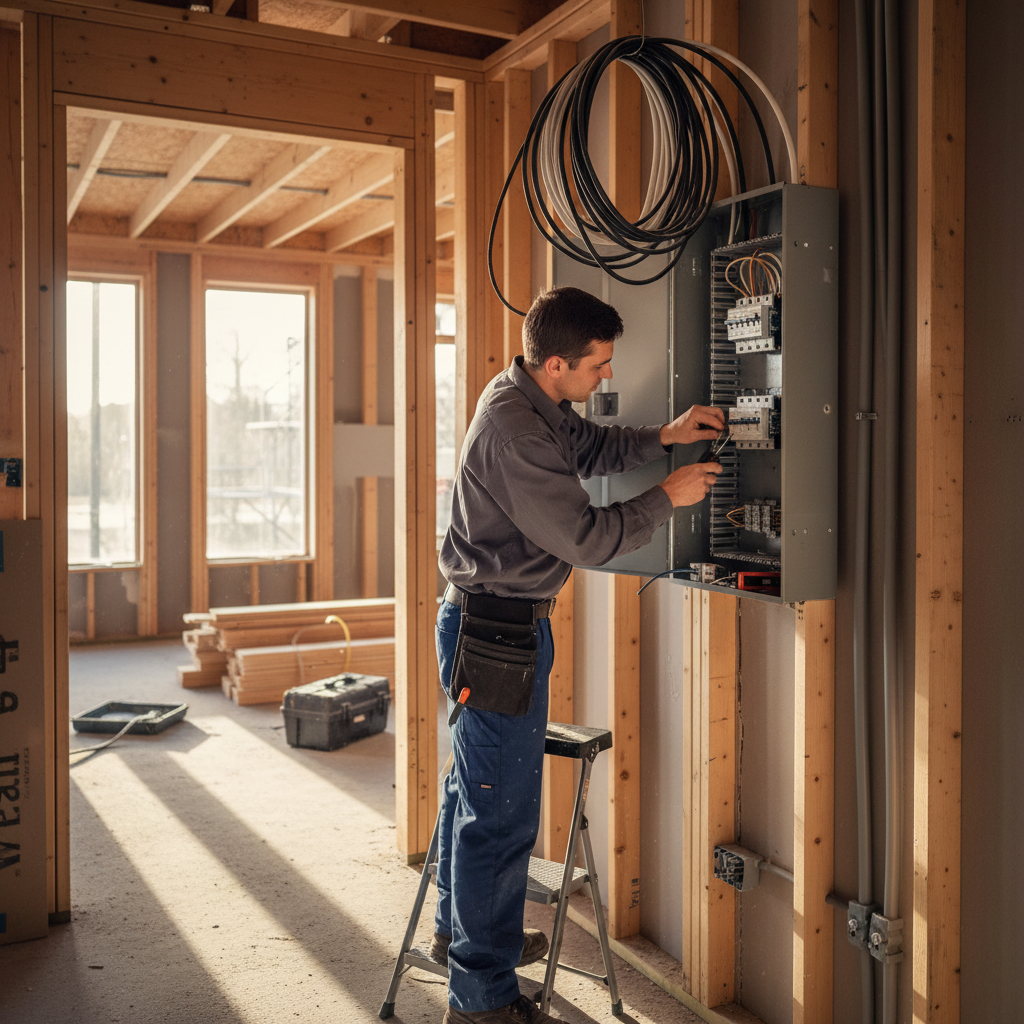
Clean workmanship is a hallmark of about Gobes Electrical. When we run the conduit, we ensure it follows the structural lines of your garage's framing or exterior masonry, keeping the aesthetic of your home intact. We use high-grade fasteners and professional conduit bending techniques to create a secure, tidy installation that resists sagging or vibration. After the conduit is secure, we pull the appropriate gauge of copper wire and install a dedicated double-pole breaker in your main panel.
Testing is the final technical step. We verify the voltage, check for proper grounding, and ensure the charger communicates correctly with your vehicle's onboard computer. After the technical work is complete, our team focuses on the workspace. We believe a job is not finished until the area is spotless and free of wire clippings, packaging, or dust. Providing professional electrical services means respecting your property as if it were our own.
Homeowners in Millard County often ask if a permit is necessary for a level 2 EV charger installation. In Fillmore, a permit is required to ensure the installation is officially inspected and meets all safety codes. This documentation is vital for your homeowner's insurance and provides a record that the high-voltage system is safe for continuous use. If you are ready to schedule a professional assessment for your home, you can contact us for a quote to begin the installation process.
Cost Factors for Level 2 EV Charger Installation in Utah
Estimating the investment for a level 2 EV charger installation requires looking at both hardware and infrastructure. Most high quality charging units cost between $400 and $800. Professional labor and materials typically range from $800 to $2,000; however, this figure fluctuates based on the specific layout of your Fillmore property.
Several variables influence the final price:
Distance from Panel: Copper wire is expensive. A charger mounted right next to the main panel costs less than one requiring fifty feet of conduit to reach the far side of a garage.
Panel Upgrades: If your home requires a service upgrade from 100 amps to 200 amps to handle the new continuous load, this will increase the total project cost significantly.
Trenching: For detached garages or carports, we may need to excavate a trench to bury conduit safely below the frost line, which adds both labor and material expenses.
Millard County residents should also investigate local incentives. Rocky Mountain Power often offers rebates for residential customers who install qualifying Level 2 equipment. These programs can significantly offset the initial costs of upgrading your home. At about Gobes Electrical, we provide detailed estimates that reflect the unique needs of your site. Our professional electrical services ensure you get an accurate breakdown of materials and labor before work begins. You can contact us for a quote to receive a tailored assessment for your specific vehicle and home setup.
Safety and Reliability: Why DIY is Not an Option for EV Charging
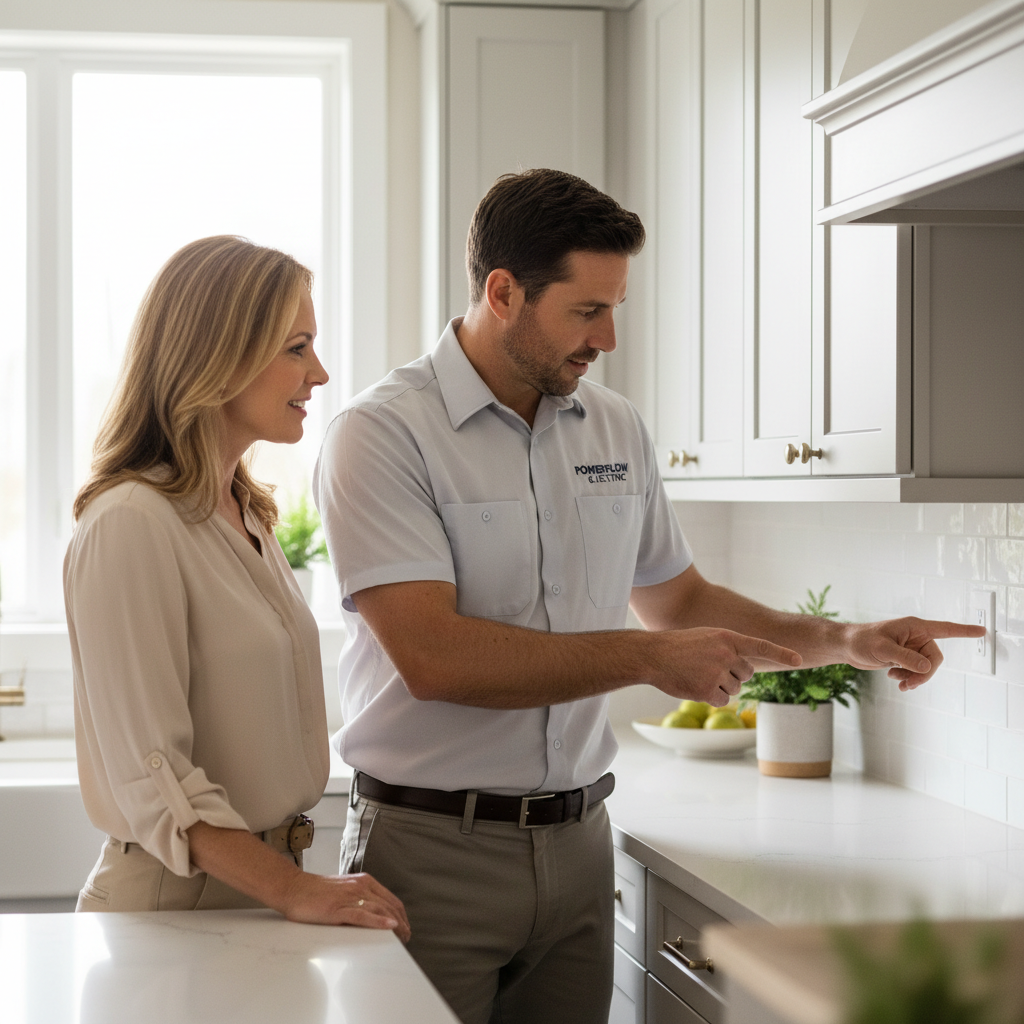
Homeowners often ask if they can perform a level 2 EV charger installation themselves. The answer is a firm no. This project involves 240-volt circuits that carry high current for extended periods, creating risks that standard DIY projects do not encounter. A mistake in wire sizing or connection torque can lead to thermal runaway, a dangerous condition where heat builds up uncontrollably, melting components and potentially starting a fire. Unlike a light fixture that draws minimal power, an EV charger operates at near-maximum capacity for hours. Any weakness in the circuit, such as an improperly seated terminal or an undersized conductor, becomes a major fire hazard under these high-load conditions.
about Gobes Electrical prioritizes safety by ensuring every installation adheres to the latest National Electrical Code requirements. We use calibrated torque screwdrivers to meet exact manufacturer specifications for terminal connections, which prevents the micro-arcing that often occurs in amateur setups. Our experienced electricians understand how to manage heat dissipation within the conduit and panel, ensuring that your home's infrastructure handles the load without degrading over time.
Choosing professional electrical services ensures your system is built to handle the stress of daily charging without compromising your home's safety. We perform detailed load management calculations to prevent your main breaker from tripping or overheating. By focusing on reliability from the start, we minimize the chance of future downtime and avoid the hazards associated with improper voltage handling. If you are ready to ensure your home is powered safely, you can contact us for a quote to have the job done right the first time by professionals who understand Millard County's electrical standards.
Installing a Level 2 charger is a significant upgrade that offers faster charging times and increased convenience for your daily commute. While this guide outlines the necessary steps, proper installation requires a deep understanding of local codes and electrical safety. If you want expert help ensuring your system is prepared for the demand, our experienced electricians can guide you through the process. You can learn more about our dedication to serving the Fillmore community and our commitment to reliable workmanship.