Common flickering lights causes include loose wiring, overloaded circuits, and faulty switches that create inconsistent power flow. While small fluctuations might occur when large appliances turn on, persistent dimming or flickering often signals dangerous connection issues in the service panel or outlets that require professional repair to prevent fire risks.
A flickering light is rarely just a minor annoyance; it is often the first warning sign that your home's electrical system is under stress. Whether you notice a subtle pulse when the refrigerator kicks on or a persistent strobe in the living room, these fluctuations indicate an interruption in the steady flow of power. Ignoring these symptoms can lead to more than just inconvenience. Electrical irregularities frequently stem from loose connections or compromised circuits that, if left unaddressed, may escalate into significant fire hazards. At Gobes Electrical, we believe that understanding these signals is essential for maintaining the safety and integrity of your residence. This guide examines the spectrum of causes, from simple bulb compatibility issues to complex panel failures. You will learn how to distinguish between nuisance flickering and emergency situations, ensuring you know exactly when to call for a professional inspection.
Understanding Flickering Lights: Is it a Minor Nuisance or a Major Risk?
A sudden blink in your kitchen light or a steady pulse in the hallway lamp is easy to ignore, yet these moments are often your home's way of communicating an underlying electrical issue. While a momentary dimming might seem like a minor nuisance, it serves as a diagnostic signal that something in the system is not functioning at peak efficiency. Identifying specific flickering lights causes is the first step in maintaining a safe property.
In Fillmore, UT, the root of the problem often depends on the age and location of the structure. Older homes near the city center may still rely on outdated wiring or panels that struggle with modern electrical loads, while newer constructions on the outskirts might experience flickering due to sensitive electronics or improper installations. The challenge for any property owner is distinguishing between a simple fix, such as a loose bulb, and a severe safety hazard like electrical arcing.
Ignoring these signals can lead to more than just eye strain; it can lead to equipment failure or, in extreme cases, a house fire. At Gobes Electrical, we emphasize that clear communication from your electrical system deserves a professional response. Understanding these symptoms helps you decide when to monitor the situation and when to seek professional electrical services to protect your investment and your family.
The Simple Fixes: Common Causes for Single Light Flickering
Identifying the scope of the problem is the first step in troubleshooting. If the flicker is confined to a single lamp or overhead fixture, the issue is likely a localized mechanical failure rather than a systemic hazard. One of the most common flickering lights causes is simply a loose bulb. Over time, thermal expansion, the repeated heating and cooling of the socket while the light is in use, can cause the bulb to back out of the socket just enough to break the connection. Before investigating further, turn off the power, let the bulb cool, and ensure it is seated firmly in the fixture.
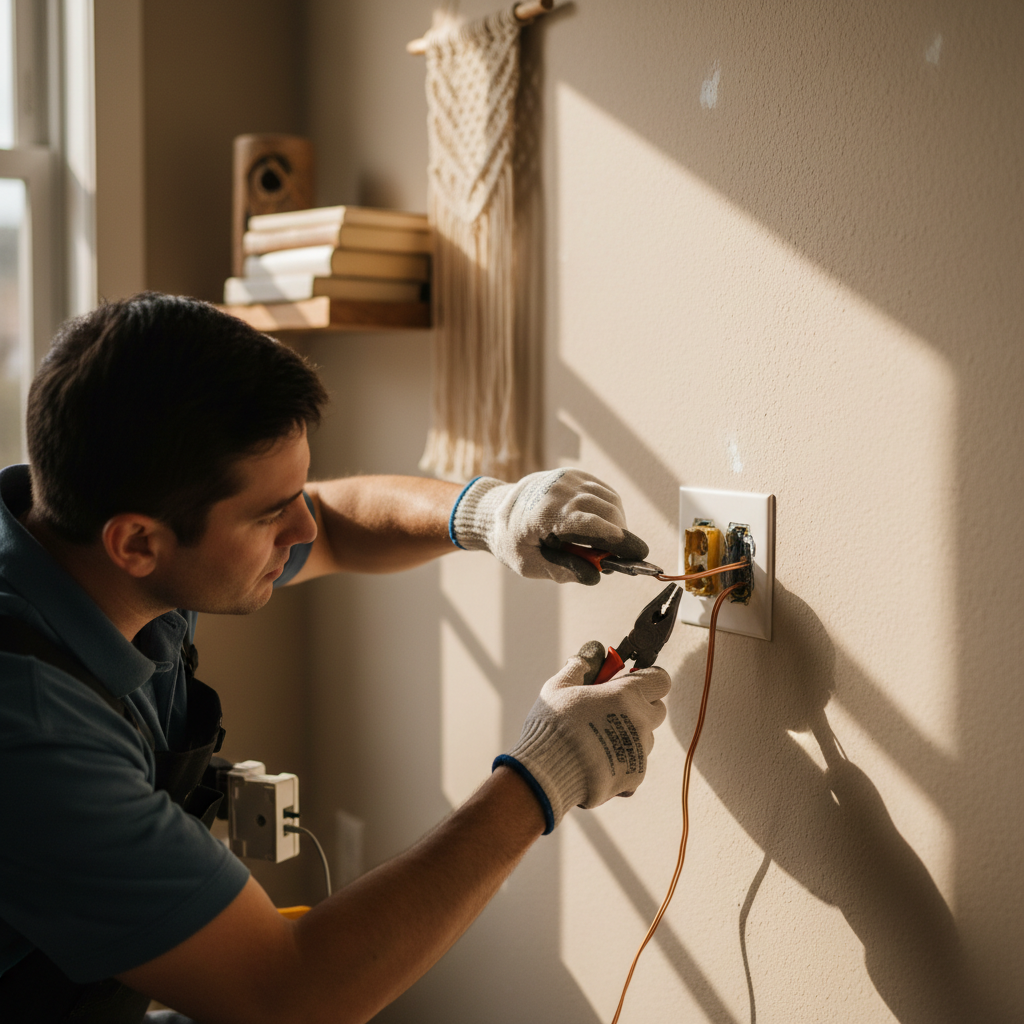
If the bulb is tight but the light continues to flutter, the wall switch itself may be failing. Over years of use, the internal contacts in a switch can wear down, leading to minor arcing. This occurs when electricity jumps across a small gap between loose components, creating a visual flicker. You can often diagnose this by gently toggling the switch; if the flickering intensifies or stops based on the position of the toggle, the switch has reached the end of its service life. For homeowners who are not comfortable handling device replacements, our team provides professional electrical services to ensure these components meet current safety standards.
Compatibility is another major factor, especially with the transition to energy efficient lighting. Modern LED bulbs are electronic devices that require specific voltage signals. If you install an LED bulb on a circuit controlled by an older dimmer switch designed for incandescent filaments, the light may strobe or pulse. Standard dimmers work by rapidly cutting the power, which often confuses the drivers inside cheaper LED bulbs. Matching your bulbs to a compatible LED rated dimmer switch usually resolves this immediately. While these single fixture issues are frustrating, they are distinct from whole house flickering, which suggests a more significant concern in the electrical panel or service line.
Why Do My Lights Flicker When an Appliance Turns On?
It is common for homeowners in Fillmore to ask: is it normal for lights to flicker when an appliance turns on? The short answer is that a very brief, slight dimming can be a normal characteristic of residential wiring, but a sustained flicker is a red flag. This phenomenon occurs because of a temporary voltage drop. High demand appliances, such as a central HVAC system, a clothes dryer, or a large refrigerator, require a massive surge of electricity, known as inrush current, to start their motors. This sudden draw can momentarily pull power away from the lighting circuits.
In a well-designed system, this dip should be almost imperceptible. However, if you notice a significant dimming that lasts longer than a second, it indicates that the circuit is strained or the electrical panel is struggling to distribute the load. This is one of the more technical flickering lights causes that points toward an undersized service or a loose connection at the breaker. When a heavy-draw HVAC unit kicks on during a hot Utah summer, it should not cause your living room lamps to pulse or strobe; if it does, the startup load is likely exceeding the circuit's capacity.
Distinguishing between a brief dim and a sustained flicker is vital for home safety. A quick blink that resolves instantly is typically a characteristic of the home's electrical design. Conversely, if the lights stay dim until the appliance finishes its cycle, or if they flicker rhythmically while the machine runs, you are likely dealing with a circuit overload or a failing component in the appliance itself. These symptoms suggest that your system is working harder than it should, which can lead to premature wear on your electronics. If you observe these persistent symptoms, seeking professional electrical services is the best way to determine if your panel needs an upgrade or if a dedicated circuit is required for your heavy-draw equipment.
The Dangerous Side of Flickering Lights: Wiring and Arcing
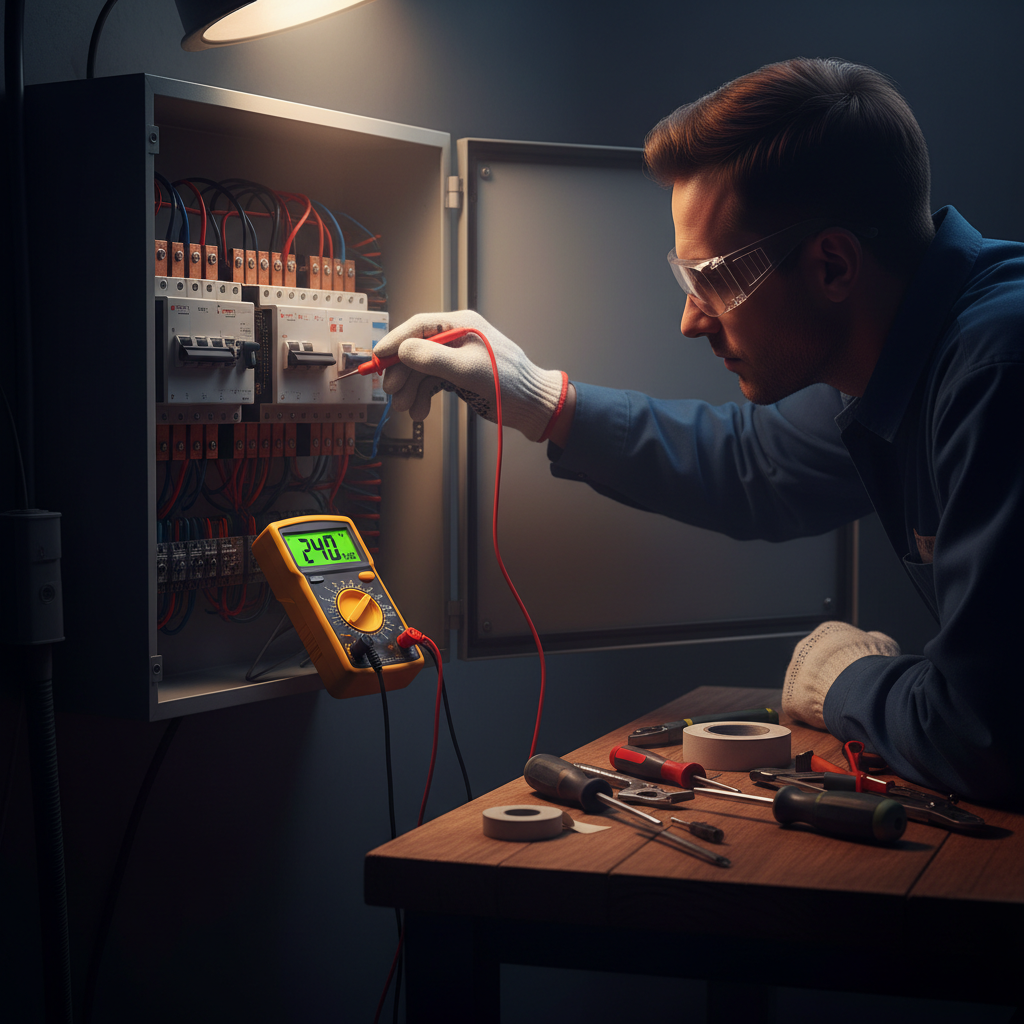
While a momentary dip from a heavy appliance is often a load management issue, persistent or erratic flickering signals a more severe internal failure within your home's infrastructure. Loose wiring remains one of the primary flickering lights causes linked directly to residential fires. When a wire connection at a junction box, outlet, or switch becomes loose, it creates a small physical gap. Electricity, driven to complete its path, will jump across this gap. This phenomenon is called arcing.
Arcing is dangerous because it produces intense, localized heat. Unlike a standard light bulb filament designed to handle high temperatures, the copper and plastic insulation in your walls are not. Arcing can quickly melt wire coatings and ignite surrounding building materials, such as wooden studs or insulation, long before a circuit breaker ever trips. Because these connections are hidden behind drywall, a fire can smolder and grow undetected, making early detection through visual flickering vital for safety.
Flickering lights at night or across multiple circuits are particularly concerning, as they often indicate a failing neutral wire. The neutral wire serves as the return path for electricity to the main panel. If this connection is loose or corroded, it can cause voltage imbalances where some lights dim while others become dangerously bright. This instability can destroy sensitive electronics and suggests a major system fault. If you observe these symptoms, seeking professional electrical services is the only way to perform the necessary diagnostic tests to locate and secure the failing connection before it leads to a catastrophic failure.
LED Flickering vs. Incandescent Flickering
The transition from traditional incandescent bulbs to LED technology has changed the way we diagnose flickering lights causes. While an incandescent bulb relies on a physical filament that takes time to cool down, LEDs are semiconductor devices that react instantaneously to changes in electrical current. This sensitivity means that minor fluctuations in your home’s power, which an old bulb would have smoothed over, often result in a visible strobing effect.
Many homeowners ask: is a flickering LED light bulb dangerous? In many cases, the answer is no. If the flicker is constant and rhythmic, it often stems from a low quality LED driver failing to manage ripple current. This is a byproduct of converting the AC power from your Fillmore home into the DC power the bulb requires. While annoying to the eyes, this specific type of flickering usually indicates a cheap component rather than an immediate fire risk.
However, a significant warning sign is when an LED continues to flicker or glow faintly even after you flip the switch to the off position. This ghosting typically signals a leak in the circuit, often caused by poor grounding or induction from nearby wires. If your LEDs behave this way, it is time to seek professional electrical services. This persistent energy bypass suggests that current is flowing where it should not, which requires advanced diagnostic tools to locate and repair.
When the Problem is Your Electrical Panel or the Fillmore Grid
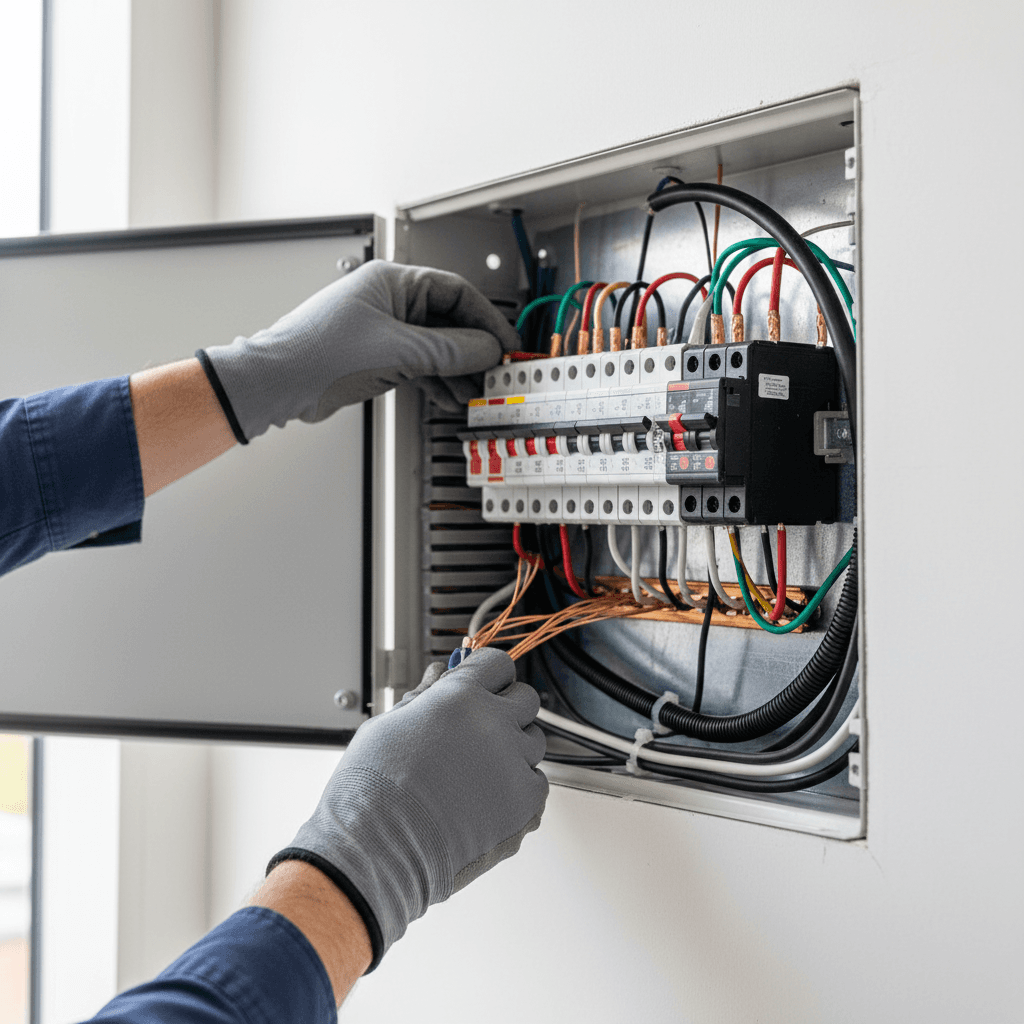
When flickering persists across multiple rooms or affects the entire building, the source is likely located within your main electrical panel or the municipal utility grid. One of the more technical flickering lights causes involves a loose or corroded bus bar. The bus bar is the primary metal component that distributes power to all individual circuit breakers. If a breaker is not seated firmly or if the bar itself has sustained heat damage, the connection becomes unstable, causing power to waver throughout the property. Similarly, a failing main breaker, which serves as the gatekeeper for all incoming electricity, can struggle to maintain a consistent flow as its internal components wear out.
Local environmental factors in Fillmore also play a role in system performance. Before you contact Gobes Electrical, take a moment to observe the street. If your neighbors are reporting similar issues, the fault likely lies with Rocky Mountain Power equipment, such as a failing transformer or a compromised service line affected by high winds or age. Checking with those nearby can help you determine if the problem is a neighborhood wide utility outage or an isolated failure at your specific service mast. If your home is the only one affected, the issue may be a loose neutral connection where the utility wires meet your house. These high voltage symptoms require professional electrical services immediately, as they can lead to significant voltage surges that damage expensive appliances and sensitive electronics.
Troubleshooting Guide: When to Call Gobes Electrical

Homeowners in Fillmore can use this checklist to identify flickering lights causes and determine the proper response.
If the flicker is limited to one fixture, replace the bulb with a compatible quality LED.
If an entire room is affected, check the circuit breaker for trips or signs of heat.
If dimming occurs when the AC starts, your system likely needs a dedicated circuit to handle the load.
If you hear buzzing or smell burning, shut off the main breaker immediately and contact Gobes Electrical.
Electrical diagnostics require specialized tools and training. Unless the solution is a simple bulb replacement, seek professional electrical services to ensure your property remains safe.
While flickering lights sometimes indicate a simple loose bulb, they can also signal deeper wiring issues that compromise your safety. Understanding these signs is the first step toward maintaining a secure home. If you want expert help to diagnose and resolve these electrical concerns, our team is ready to assist. You can learn more about our commitment to safety and how we support homeowners with reliable solutions. Addressing these issues early ensures your long-term peace of mind.