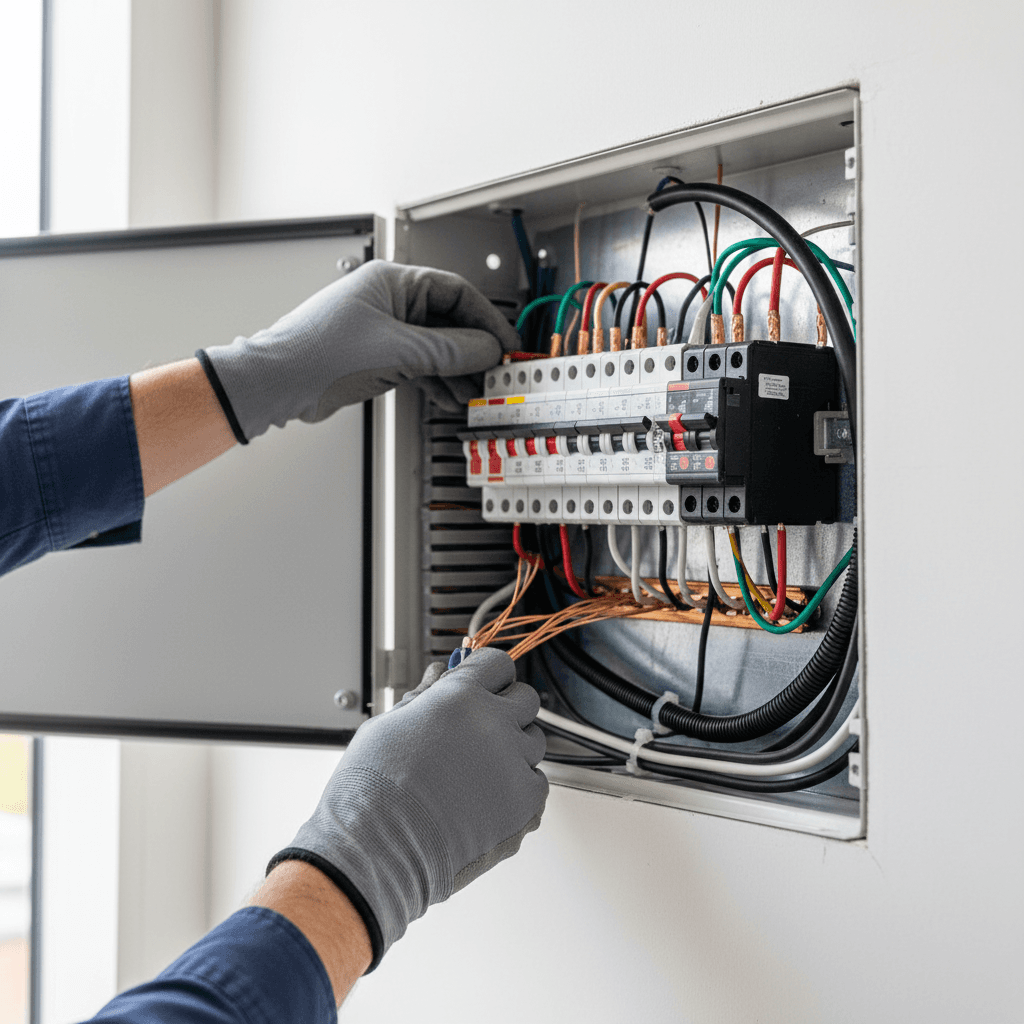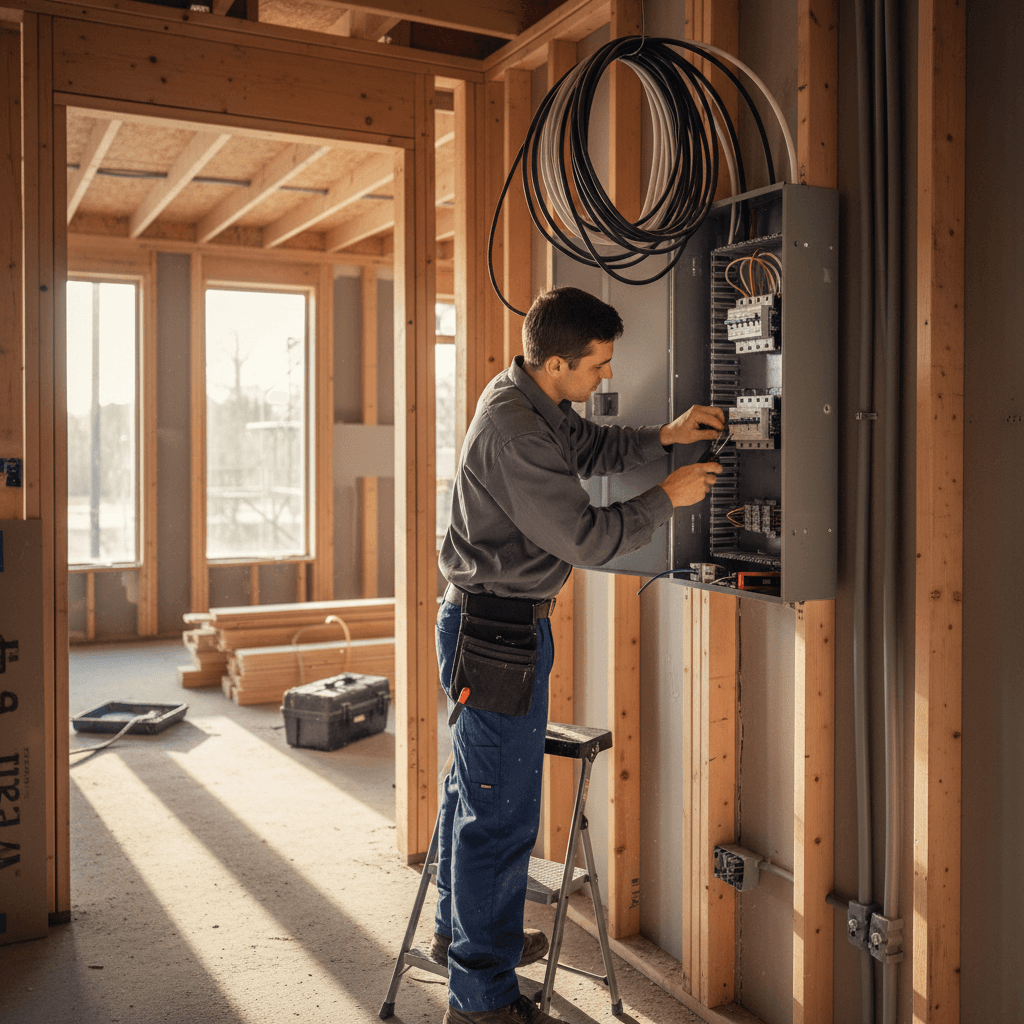
Hardwired smoke detector installation involves connecting a new alarm unit to your home’s electrical wiring and mounting it to a ceiling or wall junction box. This process provides continuous fire protection with a battery backup; units should be placed on every level of the home and inside every bedroom to ensure maximum safety and code compliance.
Many Fillmore homeowners experience the frustration of a smoke detector chirping in the middle of the night, yet few realize that these devices are the most critical line of defense for their property and family. Relying on aging, standalone battery units often leads to a false sense of security, especially as Utah building codes and NFPA standards become increasingly specific about interconnected protection. Understanding the transition to hardwired systems is not just about convenience; it is about ensuring that an alert in one room triggers every alarm in the house. In this guide, we will examine the local requirements for Millard County residents, the essential integration of carbon monoxide detection, and the specific timelines for replacement. You will also learn why professional installation is necessary to meet safety regulations and how to troubleshoot common issues without compromising your home's integrity.
Why Hardwired Smoke Alarms are the Standard for Fillmore Homes
Hardwired smoke alarms represent a significant upgrade in residential safety compared to older, standalone battery-operated units. While a battery-only detector relies entirely on a small internal power source, a hardwired system connects directly to your home’s 120-volt electrical circuit. The most critical advantage of this setup is interconnectivity. When one alarm detects smoke in a basement or utility room, every alarm throughout the house sounds simultaneously. This ensures that even if a fire starts far from a sleeping area, every occupant is alerted immediately, providing precious seconds for evacuation.
In Utah, modern building codes now mandate hardwired systems with battery backups for new constructions and major residential remodels. These battery backups act as a fail-safe, providing protection even during the power outages that can occasionally affect rural Millard County. In contrast, older single-station battery units are often neglected; residents may forget to replace batteries or even disable them entirely to stop a nuisance chirp. A hardwired smoke detector installation eliminates these vulnerabilities by providing a permanent, interconnected safety network. Relying on professional electrical services ensures these devices are integrated correctly into your home’s wiring, providing a level of reliability that standalone units simply cannot match. If you have questions about your current setup, you can contact Gobes Electrical for a safety assessment.
Utah Building Code and NFPA Placement Requirements

Building a new home or updating an existing property in Millard County requires more than just purchasing a few devices. Utah adheres to the National Fire Protection Association (NFPA) standards, which provide a precise blueprint for where life saving equipment must be situated. These regulations ensure that no matter where a fire starts, occupants receive an early warning.
To meet current codes, a hardwired smoke detector installation must include units in the following locations:
Inside every sleeping room: Statistics show that fires starting in bedrooms are particularly dangerous if the occupant is asleep behind a closed door.
Outside each separate sleeping area: This typically refers to the hallway leading to bedrooms. If a home has wings or separate floors with bedrooms, each area needs its own hallway alarm.
On every level of the home: This includes the basement, even if it is unfinished. Fire moves vertically through a structure, making floor by floor coverage essential.
Mounting location is just as important as the room choice. Because smoke and heat rise, the ceiling is the preferred mounting surface. If a wall mount is necessary, the alarm must be placed between 4 and 12 inches from the ceiling. It is vital to avoid "dead air" spaces, such as the very corner where a wall meets the ceiling. Airflow in these corners is restricted, which can delay smoke from reaching the sensor.
For residents undergoing a major remodel or new construction, the Fillmore building department conducts inspections to verify these placement rules are followed. An inspector will check that the interconnectivity mentioned previously is functional and that the placement provides maximum coverage. Ensuring your home meets these standards is a core part of the professional electrical services we provide. If you are unsure if your current layout meets these rigorous safety requirements, you can contact Gobes Electrical for a professional assessment to ensure your property is fully protected.
The Critical Need for Carbon Monoxide Detectors in Millard County
In Fillmore and throughout Millard County, many households rely on natural gas, propane, or wood burning stoves to keep warm during the winter. While these are efficient heating methods, they introduce a risk of carbon monoxide poisoning if equipment malfunctions or venting becomes blocked. Carbon monoxide is a colorless, odorless gas, making reliable detection a life saving necessity.
Homeowners frequently ask, "How many carbon monoxide detectors do I need?" For maximum safety, you should have at least one detector on every level of the home and one located outside each separate sleeping area. If you have bedrooms on different floors or wings, each hallway requires its own unit. This ensures that a CO leak originating from a furnace in the basement or a stove in the kitchen will trigger an alarm before the gas reaches dangerous levels in the bedrooms.
Understanding your alarm signals is just as important as having them installed. Most modern devices follow a standard beep code to help you identify the threat. A pattern of three beeps typically signals smoke or a general device malfunction. However, a pattern of four beeps, followed by a short pause and four more beeps, indicates the presence of carbon monoxide. If you hear the four beep pattern, you must evacuate the home immediately and call emergency services.
When planning a hardwired smoke detector installation, we recommend using combination smoke and carbon monoxide units. These devices monitor for both threats within a single housing, which simplifies your electrical layout and reduces the number of devices you need to maintain. Integrating these units into your home's wiring ensures they remain powered and interconnected. For residents looking to upgrade their safety systems, our team provides professional electrical services to ensure your detectors are placed and wired correctly. To schedule an inspection or installation, you can contact Gobes Electrical today.
When to Replace Your Hardwired Smoke Detectors
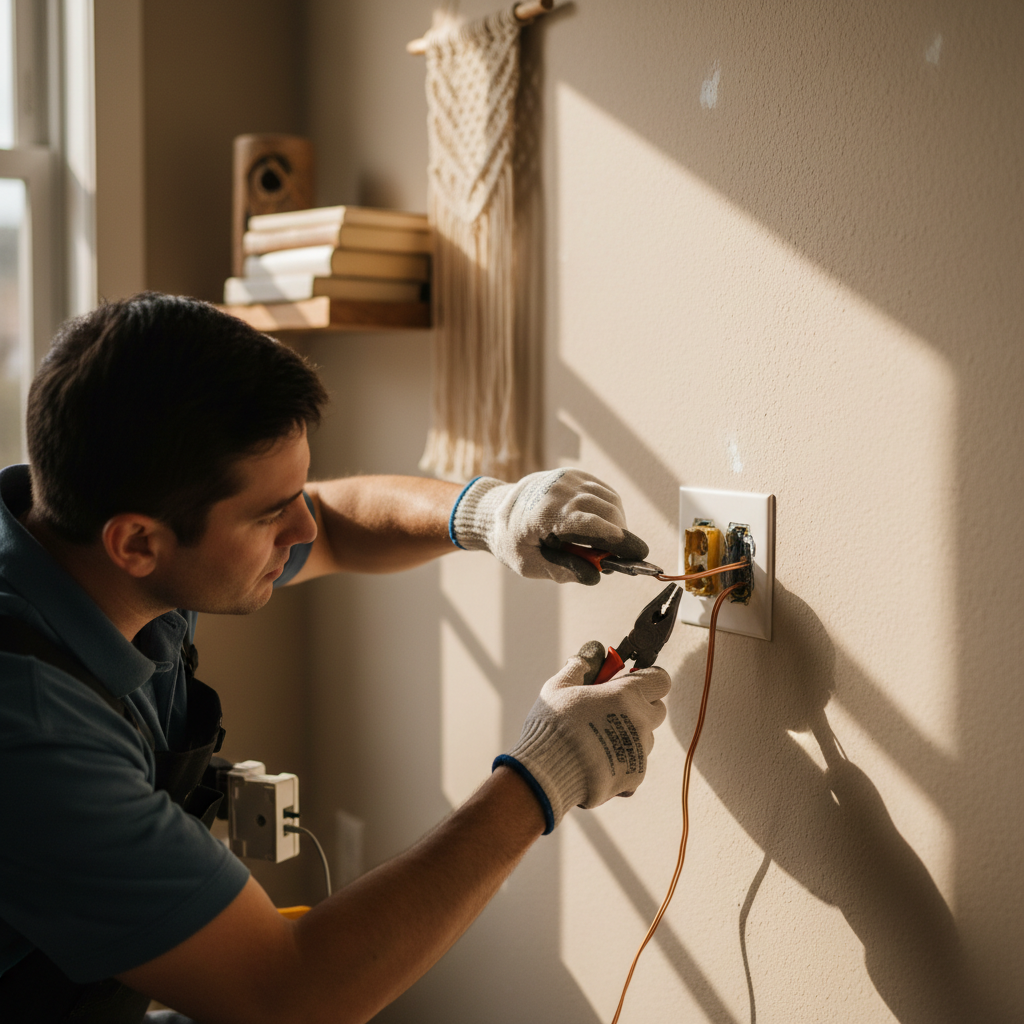
Homeowners often assume that because a device is connected to the house power, it will last indefinitely. However, the National Fire Protection Association and manufacturers agree that all smoke alarms should be replaced every 10 years. Over a decade, the internal sensors, whether ionization or photoelectric, lose their sensitivity to smoke particles. This degradation happens slowly and is not visible, meaning a unit might look functional while failing to trigger during an actual fire.
To determine the age of your equipment, you must remove the device from its bracket to check the back. You will find a printed manufacture date; if that date is 10 or more years in the past, the unit is expired. Beyond the date, look for physical warning signs. Yellowing of the plastic casing is a common indicator of age and chemical breakdown. If a device continues to chirp after you have installed fresh batteries, it is likely signaling a hardware failure or that it has reached the end of its service life. Additionally, if the test button fails to trigger an immediate alarm, the internal circuitry is no longer reliable.
If you discover multiple expired units, scheduling a full hardwired smoke detector installation for the entire home ensures all sensors are on the same maintenance cycle. While professional electrical services ensure a proper setup, that protection is only valid as long as the sensors remain within their functional lifespan. If you are unsure of your system's age, you can contact Gobes Electrical for a comprehensive safety review.
Professional Hardwired Smoke Detector Installation Process
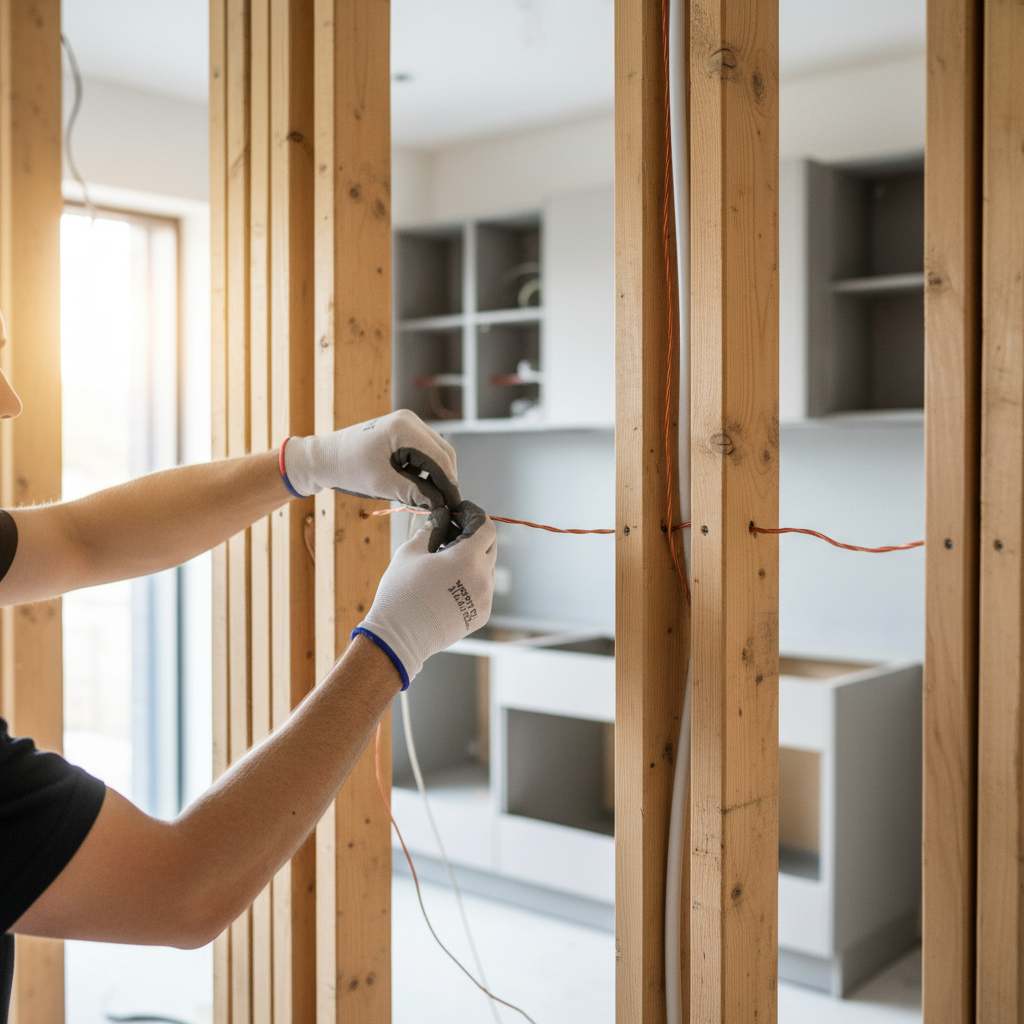
A professional hardwired smoke detector installation involves technical steps that ensure long term reliability and code compliance. When our team performs this service, we begin by mapping the existing electrical circuit. In many older Fillmore homes, circuits may already be near capacity; we verify that the dedicated or shared circuit can handle the load of the alarm system without tripping breakers. This is a critical safety step that DIY installations often skip, potentially leading to nuisance power failures.
Once the circuit is verified, we install or update the mounting brackets and the specific wire harness required for the unit. Because different manufacturers use proprietary connectors, a proper harness ensures the electrical connection remains secure and does not loosen due to ceiling vibrations. The most important technical aspect is the management of the interconnect wire, which is typically orange or red. We ensure this communication line is properly linked across all units on every level of the home. Without this physical link, the alarms function only as individual units, defeating the primary purpose of a hardwired system.
After the physical installation is complete, we perform a system wide test. This confirms that when one unit is triggered, every alarm in the house activates. This whole house alert is the answer to the common question, "Does a smoke detector need to be hardwired?" While 10 year sealed battery units are available for basic protection, they lack the ability to communicate through the home's electrical skeleton. To achieve the highest level of safety, a linked system is necessary. Our professional electrical services ensure these components work in unison. To schedule a review of your current system, you can contact Gobes Electrical for expert assistance.
Common Troubleshooting: Why Is My Hardwired Alarm Chirping?
Even a high quality hardwired smoke detector installation requires routine attention to prevent nuisance noises. A persistent chirp from a hardwired unit is usually a maintenance signal rather than a hardware failure. Most commonly, the 9-volt or lithium backup battery has dropped below a specific voltage. Even though the unit receives constant power from your home, the battery must be functional for the device to remain active during a power failure. In the dusty environments common throughout Millard County, debris or small insects can also enter the sensor chamber, causing the unit to chirp or trigger false alarms. Using a can of compressed air to gently blow out the sensor chamber often resolves these interruptions.
Power surges, which can occur during seasonal storms in rural Utah, sometimes confuse the internal processors of these devices. If a unit continues to malfunction, it may require a hard reset. To perform this, turn off the power at the circuit breaker, remove the alarm from its bracket, and disconnect the wire harness. Remove the backup battery, then press and hold the test button for 20 to 30 seconds to drain the residual electrical charge. Reconnect the battery and harness before restoring power. If the chirping persists after a reset and battery change, the unit is likely signaling its end of life. Utilizing professional electrical services can help you determine if a single unit needs replacement or if your entire system is failing. If you are struggling with a malfunctioning alarm, you can contact Gobes Electrical for expert troubleshooting and repair.
The Cost of Professional Installation vs. DIY Risks
Homeowners frequently ask how much an electrician charges to install a hardwired smoke detector. For a standard hardwired smoke detector installation, labor costs typically range from $85 to $160 per unit, while the devices themselves range from $25 to $65 depending on their specific features. While DIY replacement seems cost effective, the risks often outweigh the savings. Many older properties in Fillmore contain non standard wiring or cramped attic spaces where pulling the essential interconnect wire is physically demanding and technically complex.
Handling live 120 volt circuits requires precision to avoid arc faults or electrical shocks. Furthermore, a professional ensures the final setup adheres strictly to Utah building codes, providing peace of mind and protecting your home insurance claims. By choosing professional electrical services, you receive a labor warranty and the certainty that every sensor is properly calibrated and linked. To secure your home with a code compliant system, contact Gobes Electrical to discuss your project requirements.
Maintaining a reliable smoke detector system is one of the most important steps you can take to protect your Fillmore home and family. While basic maintenance is simple, the complexities of hardwired installations often require a professional touch to ensure everything meets local safety codes. If you want expert help with your home safety upgrades, we invite you to explore our professional electrical services. Our team is here to provide the peace of mind that comes with a job done right.