Aluminum wiring in house installations from the 1960s to the mid-1970s poses a significant fire hazard due to its tendency to overheat at connection points. Homeowners can mitigate these risks by having a licensed electrician perform pigtail repairs using approved connectors like AlumiConn or by replacing the branch circuits entirely. Proper remediation is essential for fire safety and maintaining valid home insurance coverage.
If your home was constructed between 1965 and 1973, you may be living with a latent electrical hazard that complicates both your safety and your homeowner insurance policy. Aluminum wiring was once a popular alternative to copper, but its tendency to expand and contract leads to loose connections, overheating, and potential fire risks. At Gobes Electrical, we believe that homeowners should not have to guess about the integrity of their electrical systems. This guide provides a comprehensive look at how to identify aluminum circuits in your Utah home, the specific warning signs of failure, and the financial implications for local real estate transactions. You will also learn about the industry-standard remediation techniques we use, including pigtailing and full rewires, to ensure your house meets modern safety requirements.
Understanding the Era of Aluminum Wiring in Utah Homes
If you own a home in Fillmore built between 1965 and 1973, there is a high probability it contains aluminum wiring. During this specific window, copper prices surged globally, prompting builders to seek a more affordable alternative. Single-strand aluminum wiring became the standard for branch circuits, the lines powering your lights and outlets. While it saved money during construction, this era of aluminum wiring in house construction introduced unique long-term maintenance needs that differ significantly from modern copper standards.
It is important to distinguish between the various types of wiring used in residential properties. Large-gauge multi-strand aluminum is still used today for service entrances and heavy-duty appliance circuits; it remains a safe, effective material when installed correctly. The concern lies specifically with the smaller, single-strand wires used for 15-amp and 20-amp circuits. These connections are more susceptible to physical and chemical changes over time that can lead to hazardous conditions.
At Gobes Electrical, we specialize in identifying signs your home wiring needs an upgrade and providing professional electrical safety services. If your property dates back to this specific growth period in Utah, understanding the history of your system is the first step toward long-term reliability. To ensure your home meets current safety codes, you can contact our Fillmore electricians for a detailed assessment of your branch circuitry.
How to Tell if Your House Has Aluminum Wiring
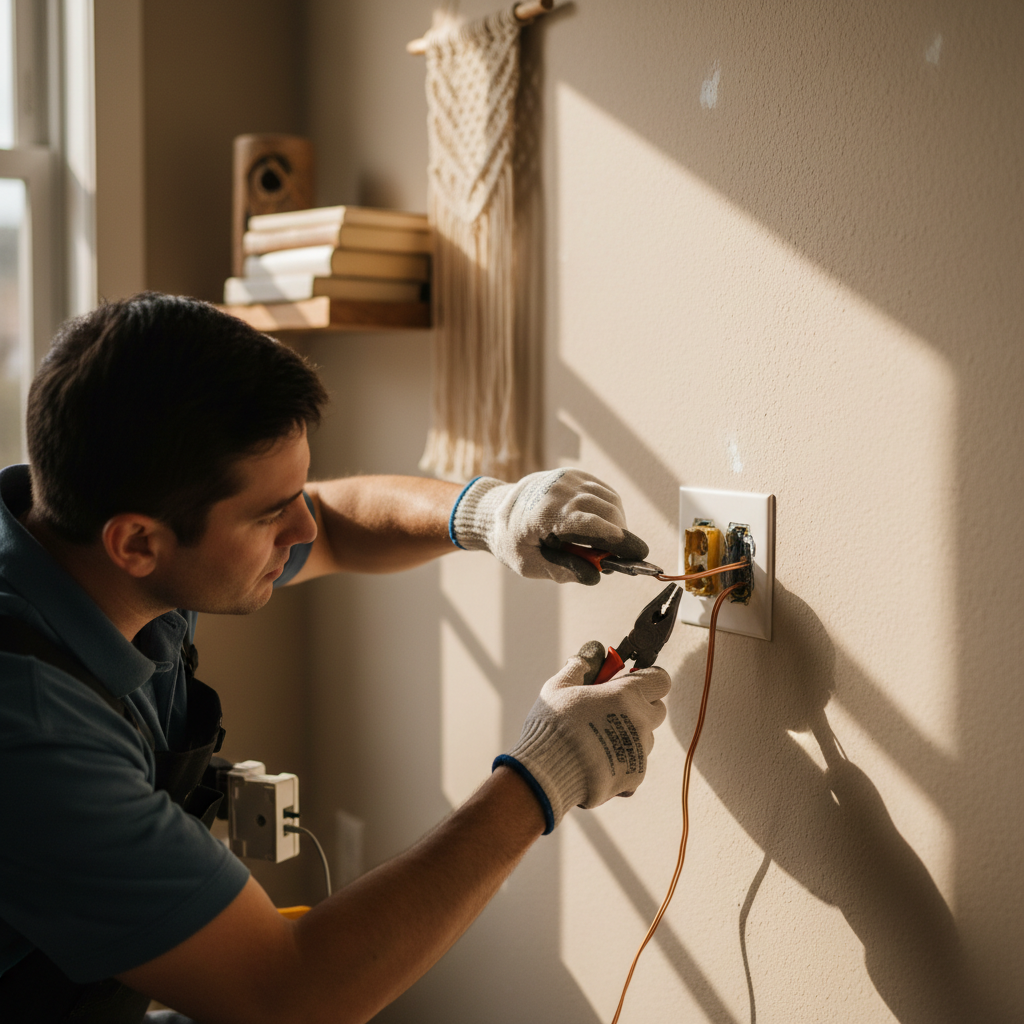
To determine if you have aluminum wiring in house circuits, you must perform a visual inspection of the wiring cables without disturbing the electrical connections. Start in areas where the electrical system is exposed, such as an unfinished basement, attic, or crawlspace. Look at the plastic insulation jacket that bundles the wires together. Manufacturers during the late 1960s and early 1970s printed identifying marks directly on this outer sheath roughly every few feet.
Look for the following printed abbreviations on the cable jacket: - AL - ALUM - ALUMINUM - AL ACM
If these markings are present, the circuit is composed of aluminum. If you cannot find legible text, you can inspect the ends of the wires where they are visible at junction boxes or near the service entrance. Aluminum has a distinct, dull silvery-white or chrome appearance. This differs significantly from the bright, reddish-orange hue of traditional copper. Note that some aluminum wires were manufactured with a thin copper coating, known as copper-clad aluminum, which requires its own specific handling protocols.
Safety is the highest priority during this process. You should never attempt to open your main electrical panel or unscrew outlet covers to inspect the wiring yourself. Touching these components can lead to electrical shock or further loosen already fragile, aging connections. Even if the visible wiring in your attic appears to be copper, it is common for homes in Fillmore to have hybrid systems where only portions of the house were updated. If you are unsure about what you see, you should contact our Fillmore electricians to perform a professional diagnostic and verify the safety of your branch circuitry.
Why Aluminum Wiring in a House is Considered Dangerous
Understanding why aluminum wiring in house circuits fails requires looking at the metallurgy of the material itself. While aluminum is a capable conductor, it behaves very differently than copper under the stresses of daily residential use. This is often referred to as the science of failure, involving three distinct physical properties that compromise the integrity of the electrical system over time.
The first issue is thermal expansion. Aluminum expands at a much higher rate than copper when heated by electrical current. This process, known as cold flow, causes the wire to exert pressure against terminal screws in outlets and switches. When the wire cools and contracts, it does not return to its original shape perfectly. Over hundreds of heating and cooling cycles, this creates a gap between the wire and the terminal, resulting in loose connections that can lead to arcing.
Second, aluminum is highly reactive to oxygen. As soon as a wire is stripped for installation, it begins to form a layer of aluminum oxide. Unlike copper oxide, which is still relatively conductive, aluminum oxide is a powerful insulator. This resistance forces the electrical current to fight through a barrier, generating significant heat at the point of connection even when the circuit is not heavily loaded.
Third, the physical softness of the metal makes it vulnerable to structural damage. Aluminum is prone to fatigue, meaning it can easily break or become nicked during installation or if a device is pushed back into a junction box. These nicks create hot spots where the wire is too thin to handle the load safely.
Because of these factors, the U.S. Consumer Product Safety Commission (CPSC) has stated that homes with this wiring are 55 times more likely to have a fire hazard at a connection point compared to copper-wired homes. This risk is why we prioritize electrical safety services for our Fillmore clients. Technical risks like these are essential to consider for homeowners who notice signs your home wiring needs an upgrade, especially since these hazards remain hidden within the walls until a failure occurs.
Common Warning Signs of Failing Aluminum Connections
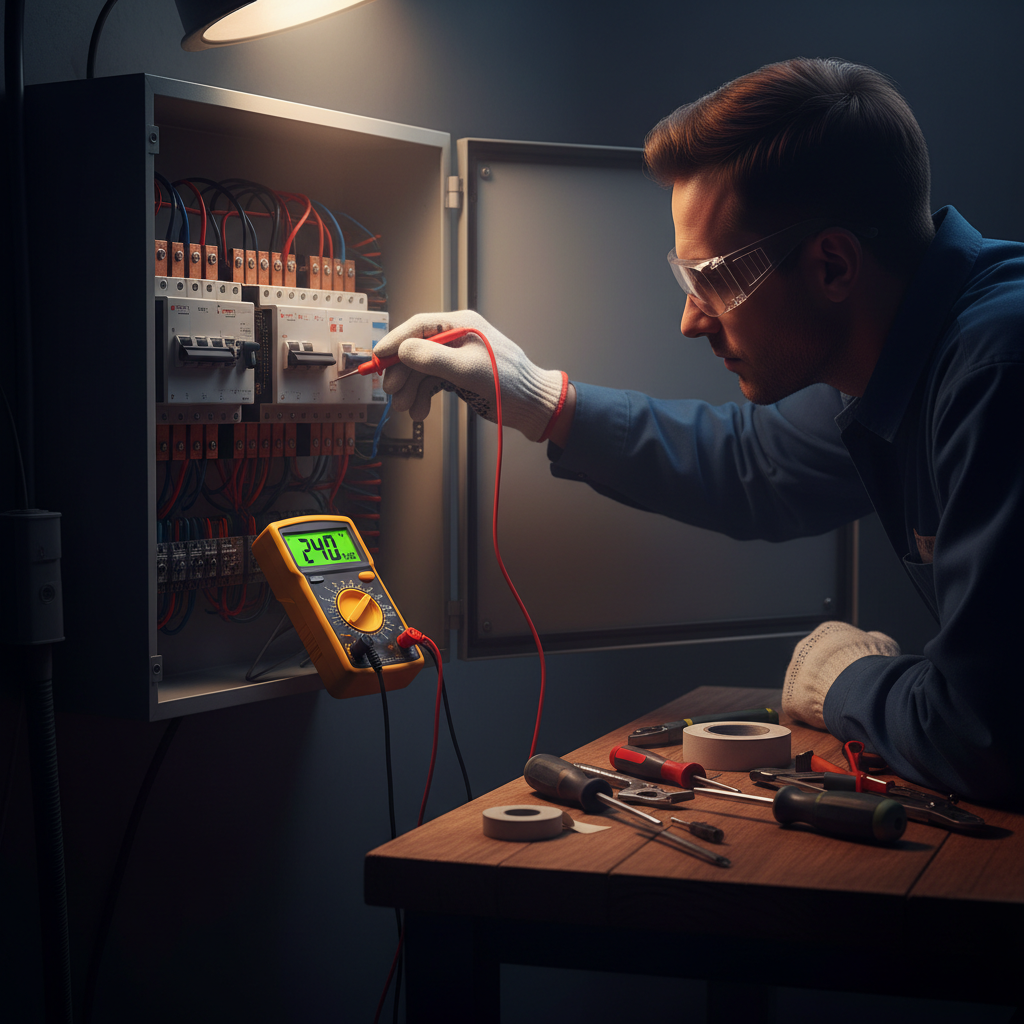
Identifying failing aluminum wiring in house circuits requires paying close attention to subtle changes in your electrical system’s behavior. Because aluminum connections deteriorate slowly over time, the warning signs might seem like minor inconveniences rather than urgent hazards. These red flags are direct evidence of the oxidation and thermal expansion issues occurring behind your walls.
Homeowners should stay alert for the following symptoms: - Persistent flickering lights that do not stop after you replace the bulb. - Outlet cover plates or light switch faceplates that feel warm or hot to the touch. - Unusual smells near electrical components, specifically the scent of burning plastic or the sharp, metallic odor of ozone. - Outlets that work intermittently or switches that require a jiggle to activate.
These symptoms are particularly dangerous because they often occur when the circuit is not under a heavy load. You do not need to be running a high wattage appliance for a compromised aluminum connection to overheat. Even a small bedside lamp can draw enough current to cause an oxidized terminal to reach dangerous temperatures. If your Fillmore property displays any of these signs your home wiring needs an upgrade, you should contact our Fillmore electricians for a thorough safety evaluation. Ignoring these warnings can lead to arcing and the eventual ignition of surrounding building materials.
The Impact on Insurance and Real Estate in Fillmore
Beyond physical hazards, aluminum wiring in house systems creates significant financial and legal hurdles. Many insurance carriers in Utah now categorize these homes as high-risk, often denying coverage entirely or substantially increasing annual premiums. To secure a standard policy, homeowners are frequently required to provide proof of professional remediation. Without this documentation, a property might be deemed uninsurable, which complicates both ownership and the ability to secure a mortgage.
In the Fillmore real estate market, transparency is vital. A standard home inspection will identify single-strand aluminum wiring and list it as a safety defect. This often stalls negotiations, as savvy buyers will recognize the potential for signs your home wiring needs an upgrade and factor the cost of repairs into their offer. Properties with unaddressed wiring issues typically stay on the market longer and may lose value compared to homes with modern copper systems. To protect your investment and ensure a smooth transaction, you can contact our Fillmore electricians to discuss electrical safety services that satisfy both inspectors and insurers. Addressing these issues proactively ensures that your electrical system supports your home's value rather than detracting from it.
Effective Remediation: Pigtailing vs. Full Rewire
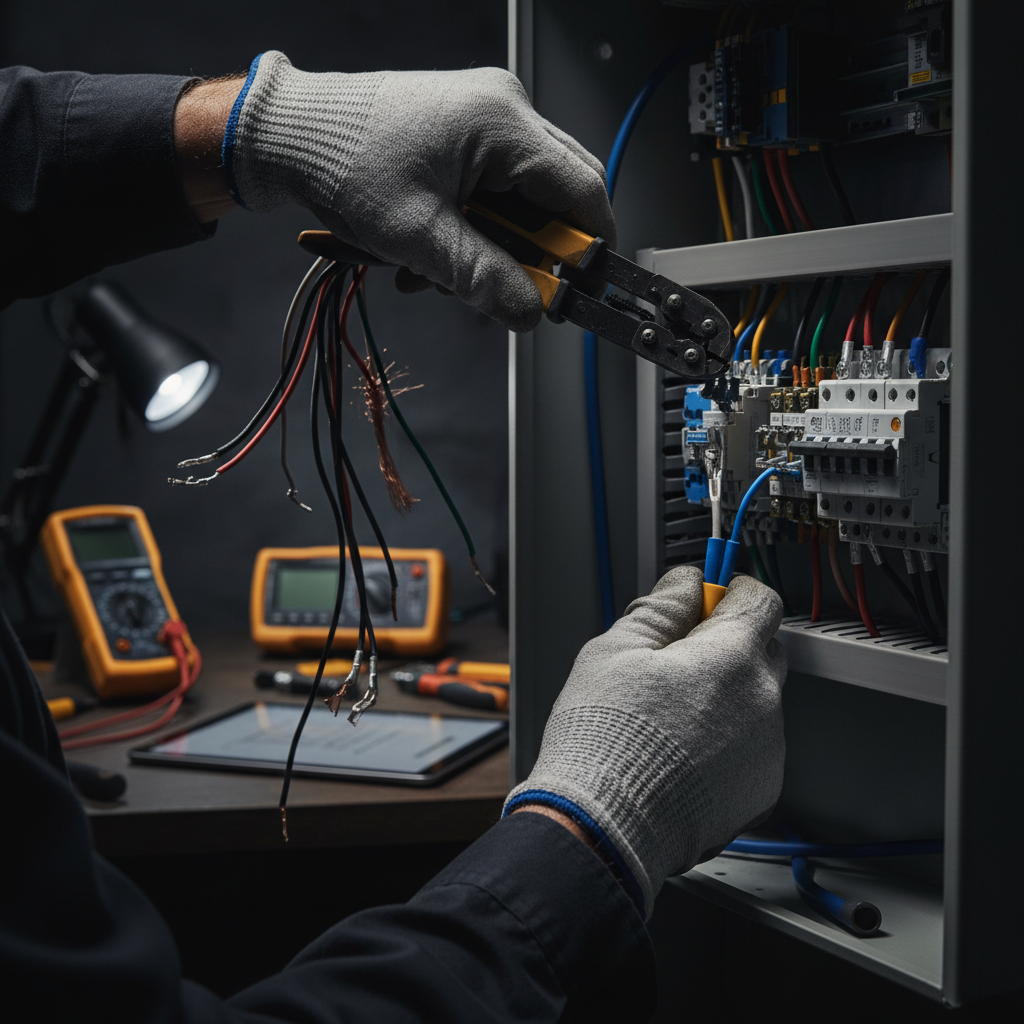
Addressing aluminum wiring in house systems requires choosing a method that accounts for the metal's unique properties. While several products exist on the market, the electrical industry generally recognizes three effective paths for remediation. Each varies in cost, labor intensity, and longevity, but all aim to eliminate the high-resistance connection point where aluminum meets traditional devices.
Method | Description | Pros | Cons |
|---|---|---|---|
Full Rewire | Replacing all branch circuit wiring with copper. | Permanent; highest safety; increases home value. | Most expensive; invasive (wall repairs needed). |
COPALUM Crimp | CPSC-approved cold-weld crimp tool to bond copper pigtails to aluminum. | High reliability; no wall damage; permanent. | Requires specialized certified tools and technicians. |
AlumiConn | Mechanical lug connector with separate ports for each wire. | Excellent performance; widely available; easier to install. | Bulky in small electrical boxes. |
A full rewire is the gold standard for long-term safety. By removing the aluminum entirely, you eliminate the risk of oxidation and thermal expansion at the source. For Fillmore homeowners not ready for a full renovation, the COPALUM method offers a highly effective alternative. This involves using a specialized high-pressure crimping tool to bond a short piece of copper wire, known as a pigtail, to the existing aluminum wire. The copper end is then connected to the outlet or switch, providing a stable interface that handles heat safely.
AlumiConn connectors provide another reliable mechanical solution. These lugs secure each wire in its own port with a set screw, providing more stability than traditional twist-on connectors. In contrast, standard purple wire nuts, often marketed for aluminum-to-copper connections, are frequently viewed as inadequate by modern standards. These twist-on connectors often fail to maintain the necessary constant pressure needed to combat aluminum’s cold flow, and the antioxidant paste inside can dry out or leak, leading to the very overheating issues they were meant to prevent.
Selecting the right remediation strategy depends on your home’s layout and your long-term plans for the property. Because these methods require specialized knowledge of torque requirements and material compatibility, you should contact our Fillmore electricians to discuss which option fits your needs. Our team provides electrical safety services tailored to the specific challenges of aging wiring, ensuring that your signs your home wiring needs an upgrade are resolved with professional-grade solutions.