Whole home surge protection is a worthwhile investment that safeguards every appliance and electronic device in your home from unpredictable power spikes. This system extends the lifespan of your technology and prevents costly damage by diverting excess voltage away from your electrical panel; it provides comprehensive coverage that standard power strips cannot match.
Imagine the frustration of a sudden power spike rendering your new smart refrigerator or high end home theater system useless in a matter of seconds. For Fillmore homeowners, the reality is that standard power strips offer little more than a false sense of security against the complex electrical demands of a modern residence. At Gobes Electrical, we recognize that your wiring is your most critical infrastructure; however, it remains vulnerable to both external lightning strikes and internal fluctuations from HVAC units. Understanding the mechanics of whole home surge protection is essential for safeguarding your property. This guide breaks down the technical distinctions between Type 1 and Type 2 devices, examines the recent NEC 2023 code updates, and explains why professional integration is vital. You will learn how a dedicated gatekeeper can preserve your electronics and provide the long term reliability your household requires.
Understanding Power Surges: Why Your Home Needs a Gatekeeper
A power surge is a transient increase in voltage that significantly exceeds the standard 120-volt flow of electricity in a typical residence. While many homeowners associate these events with catastrophic lightning strikes, surges are frequently small, invisible spikes that occur dozens of times every day. In Fillmore, modern homes are more vulnerable than ever because they rely on sophisticated electronics that utilize delicate microprocessors and circuit boards. Unlike the heavy duty copper coils in vintage appliances, these modern components are easily compromised by even minor fluctuations in power.
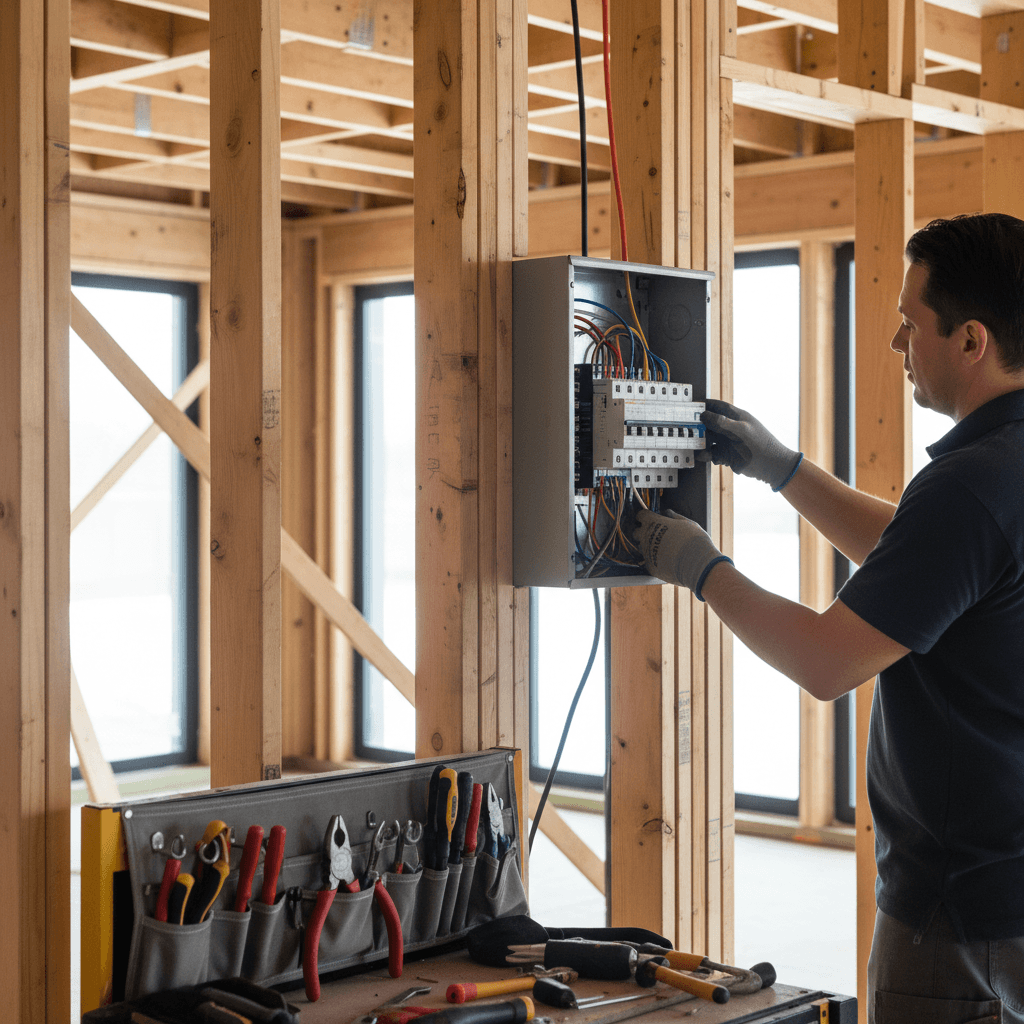
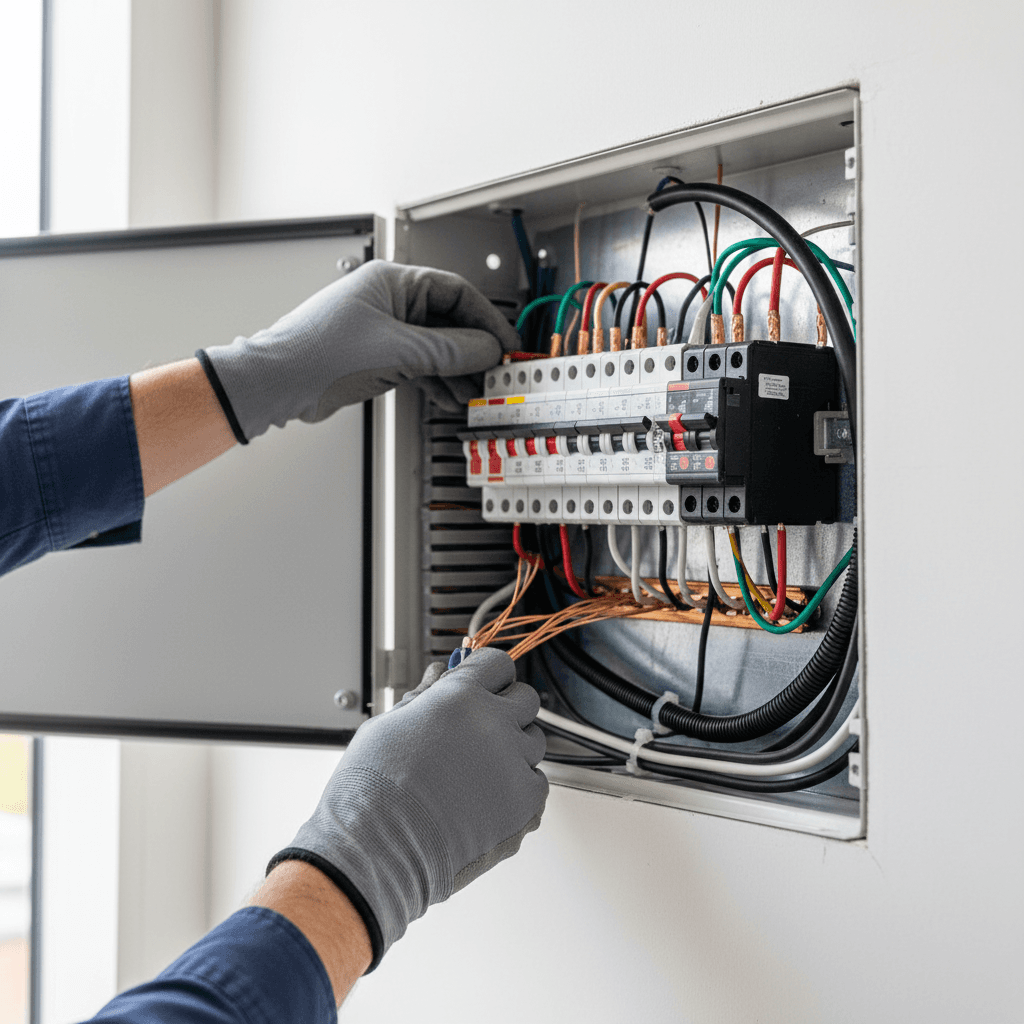
A whole home surge protection system serves as a professional grade gatekeeper for your entire electrical infrastructure. Typically installed at the main breaker panel, this device monitors the incoming electrical current from the utility grid. When it detects a dangerous voltage spike, it instantly shunts the excess energy safely into the grounding system. This prevents the surge from ever entering your home's internal wiring, effectively shielding every outlet and hardwired fixture from potential damage.
Most people believe surges only come from external sources like downed power lines or lightning. However, roughly 80% of surges are actually generated internally. These occur when large motors, such as those in your central air conditioning unit or refrigerator, cycle on and off. These frequent, small surges cause cumulative damage to sensitive LED lighting, smart appliances, and home office equipment common in Utah households. Over time, this stress leads to 'electronic rust,' causing expensive devices to fail prematurely. Utilizing professional electrical services to install a dedicated surge arrester is the most reliable way to mitigate these risks and extend the lifespan of your home's technology.
Type 1 vs Type 2 Surge Protection: Which One Do You Need?
Choosing the right equipment depends on where the protection is located in relation to your main service disconnect. A Type 1 SPD is installed on the line side, meaning it sits between the utility pole and your home's main breaker. These devices are designed to intercept massive external surges, such as direct lightning strikes to power lines or significant utility grid malfunctions, before they ever reach your electrical panel.
A Type 2 SPD is installed on the load side of the main service disconnect, typically mounted directly to or inside your breaker panel. For residential applications in Fillmore, a Type 2 device is the standard recommendation for comprehensive protection. While Type 1 units are powerful, a Type 2 protector provides the specific coverage needed for the internal circuits where your appliances and sensitive electronics live. It is the most effective way to manage the frequent, smaller voltage spikes that originate within your own walls.
Feature | Type 1 SPD | Type 2 SPD |
|---|---|---|
Installation Point | Meter base or line side | Main breaker panel (load side) |
Primary Defense | Large external surges | Internal and residual external surges |
Common Use | Commercial or high-exposure areas | Residential homes |
When you contact Gobes Electrical, our technicians evaluate your panel's configuration to ensure the device is sized correctly for your home's specific load requirements. Proper selection ensures your whole home surge protection handles both the rare high-voltage events from the grid and the daily wear and tear caused by your own appliances cycling on and off.
NEC 2023 Code Requirements for Residential Surge Protection

The safety standards governing residential wiring are constantly evolving to keep pace with modern technology. In recent years, the National Electrical Code (NEC) has undergone significant updates that directly impact how we protect our homes. Starting with the 2020 NEC and further clarified in the 2023 edition, surge protective devices (SPDs) are now a mandatory requirement for all new dwelling units. This regulation is not just for new construction; it also applies when existing service equipment is replaced or upgraded.
If you are planning to upgrade your electrical panel or build a new home in Fillmore, installing whole home surge protection is no longer an optional add-on. It is a legal requirement for passing a professional inspection. The code specifically mandates that a Type 1 or Type 2 SPD must be installed as part of the service equipment or immediately adjacent to it. This ensures that every circuit in the home has a baseline level of defense against voltage spikes that could compromise life-safety equipment, such as smoke alarms, carbon monoxide detectors, or GFCI breakers.
Navigating these code changes requires a partner who stays current with national and local standards. At Gobes Electrical, we integrate these requirements into every project to ensure your system is fully compliant and safe. When you contact Gobes Electrical for a panel upgrade or a new installation, our technicians ensure that the surge protection we install meets the specific ratings required by the latest NEC cycle. This proactive approach prevents costly delays during building inspections and guarantees that your home meets the highest current safety benchmarks.
The Hidden Culprit: Internal Surges from HVAC and Appliances
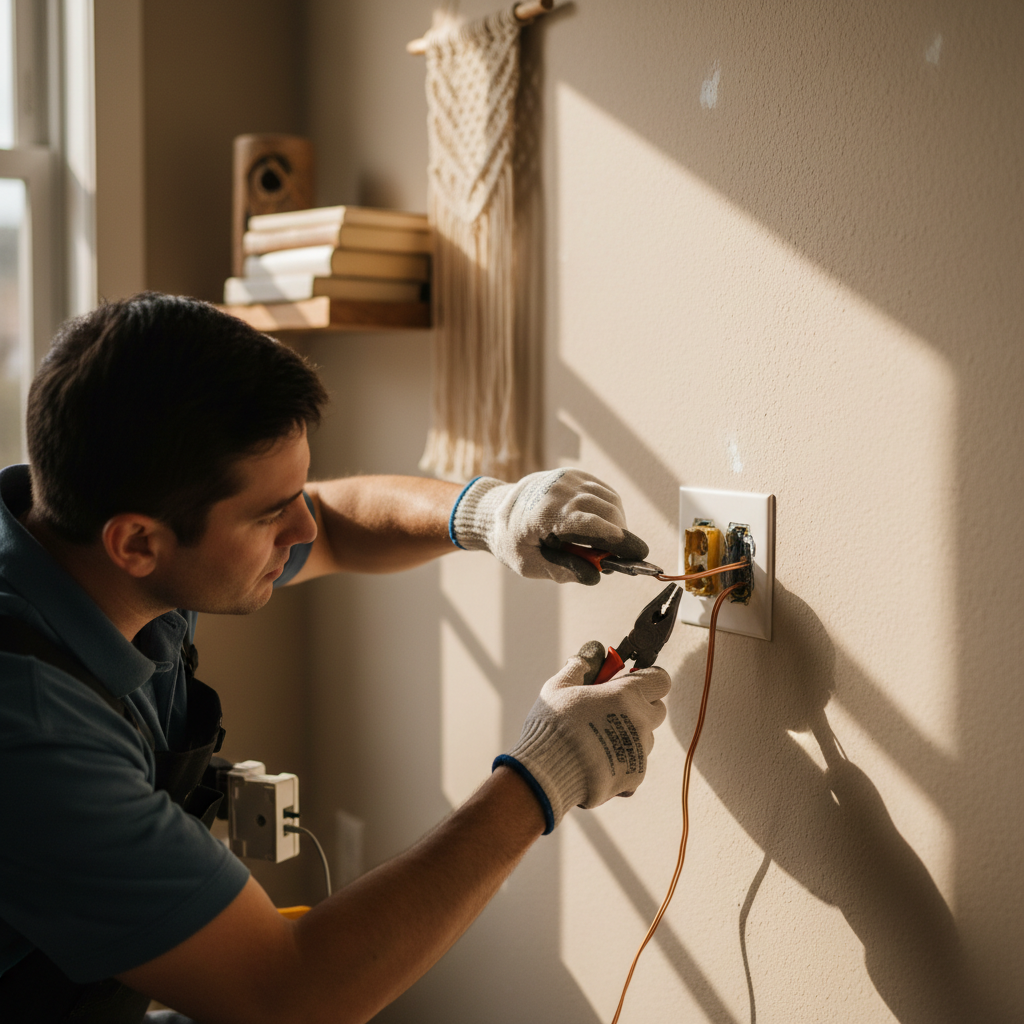
Beyond the safety standards mandated by the NEC, homeowners must consider the daily operational hazards that occur within their own walls. While a utility spike is a major event, roughly 80% of power surges are actually generated internally. These are caused by the inductive loads found in large appliances. When a motor in your central air conditioning unit or a heavy duty washing machine shuts off, the remaining energy in the motor's windings is released back into your electrical system as a transient voltage spike.
These micro surges are too small to trip a breaker but are powerful enough to stress the delicate micro circuitry in modern electronics. This leads to cumulative damage, where the insulating layers of a circuit board are slowly compromised over time. For Fillmore residents with high efficiency HVAC systems or smart home ecosystems, these frequent spikes significantly shorten the lifespan of expensive equipment. Implementing whole home surge protection ensures that these internal transients are suppressed at the panel level. This prevents the "death by a thousand cuts" scenario for your appliances, shifting the focus from simply surviving a lightning strike to maintaining the day to day integrity of your entire electrical infrastructure. This level of protection is a practical necessity for preserving the efficiency and longevity of modern residential technology.
Is a Whole Home Surge Protector Worth the Investment?
The cumulative damage caused by internal spikes translates directly into financial loss. Evaluating the cost of prevention versus the price of replacement is the most logical way to determine if this investment makes sense for your property. A typical professional installation for a whole home surge protection system ranges from $300 to $700, covering both the device and expert labor. In contrast, the replacement cost of a single high end appliance, such as a smart refrigerator, a high efficiency HVAC control board, or a home theater setup, can easily reach $2,000 to $6,000. When one device shields every outlet in the house, the math heavily favors prevention.
Beyond protecting hardware, many insurance providers recognize the value of these systems. Some companies offer discounts on homeowners insurance premiums or lower deductibles for properties equipped with professional grade surge suppression. This benefit, combined with the extended lifespan of your electronics, often allows the system to pay for itself within a few years. When you contact Gobes Electrical, we can help you select a unit that offers the highest joule rating for your budget, maximizing this return on investment.
Pros and Cons of Whole Home Surge Protection
Pro: Comprehensive protection for all hardwired appliances and electronics.
Pro: Reduces the risk of electrical fires caused by overheated circuits.
Pro: Potential for insurance discounts and increased home resale value.
Con: Requires an upfront investment for parts and professional labor.
Con: Does not provide 100% protection against a direct lightning strike to the structure.
Con: Requires available space within or adjacent to the main electrical panel.
While no surge protector can stop the massive energy of a direct lightning strike, professional grade units handle 99% of all other surge events. Utilizing professional electrical services to install these devices ensures they are grounded correctly, which is the only way to facilitate the safe diversion of excess voltage.
Why Fillmore Homeowners Should Choose Professional Installation
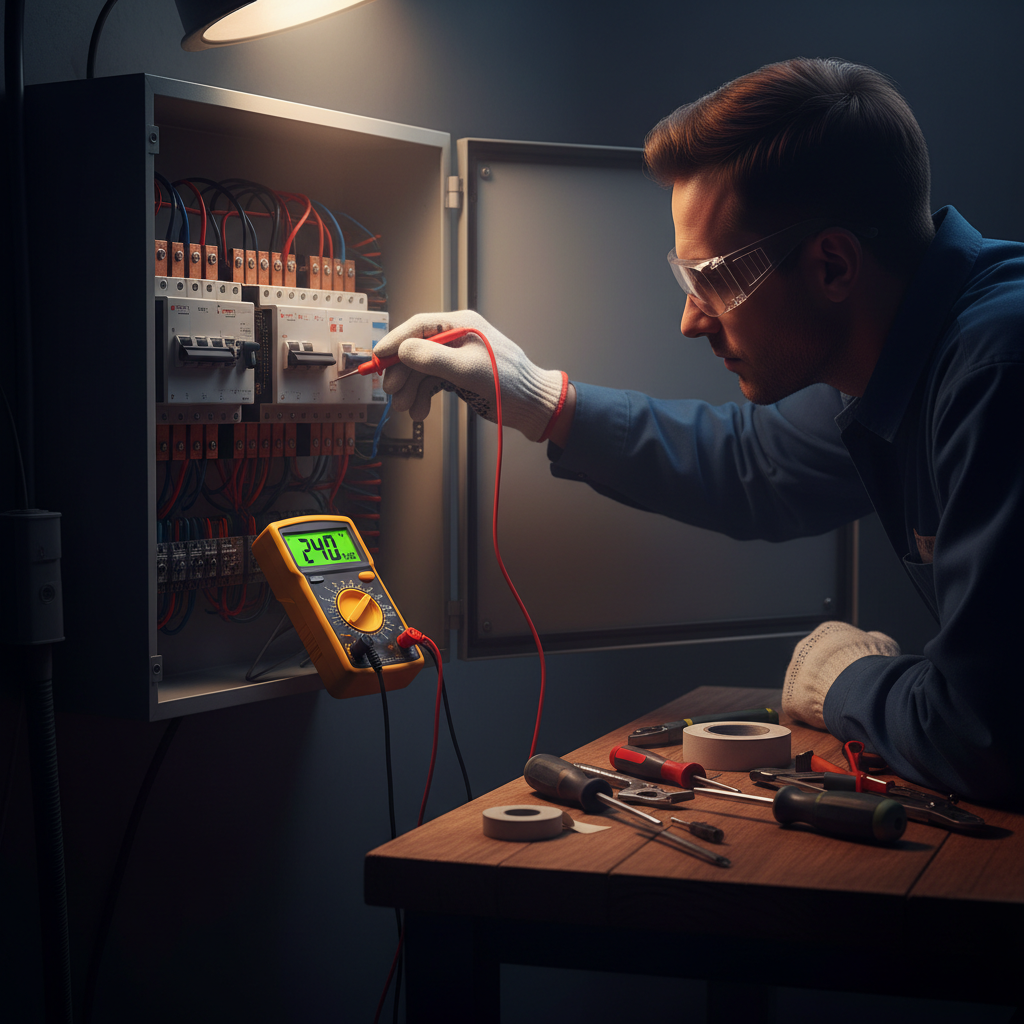
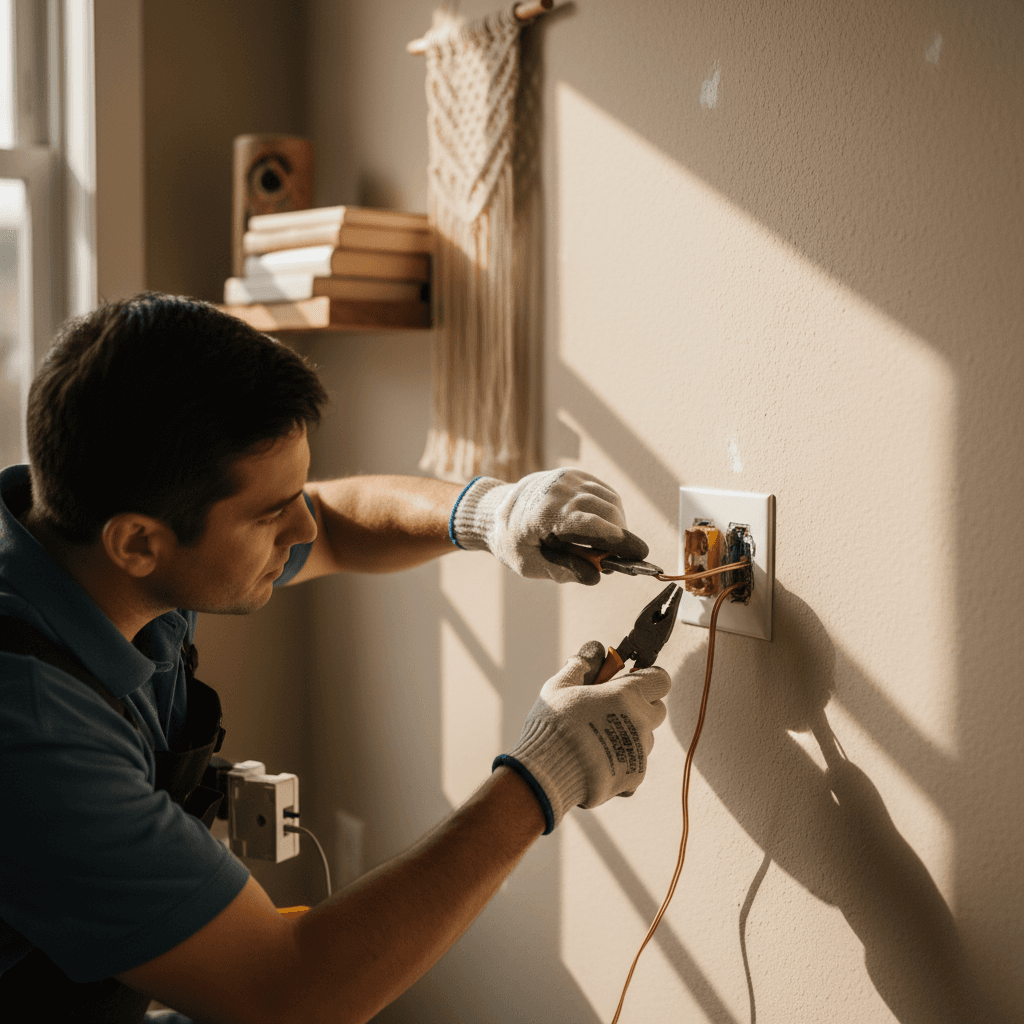
Attempting to install whole home surge protection as a DIY project presents significant safety risks that go beyond typical household repairs. Working inside the main breaker panel requires handling the service entrance conductors; these wires remain live and carry high voltage even after the main breaker is switched to the off position. Contact with these energized parts can be fatal. A professional electrician has the specialized equipment and training to work safely in this high-risk environment.
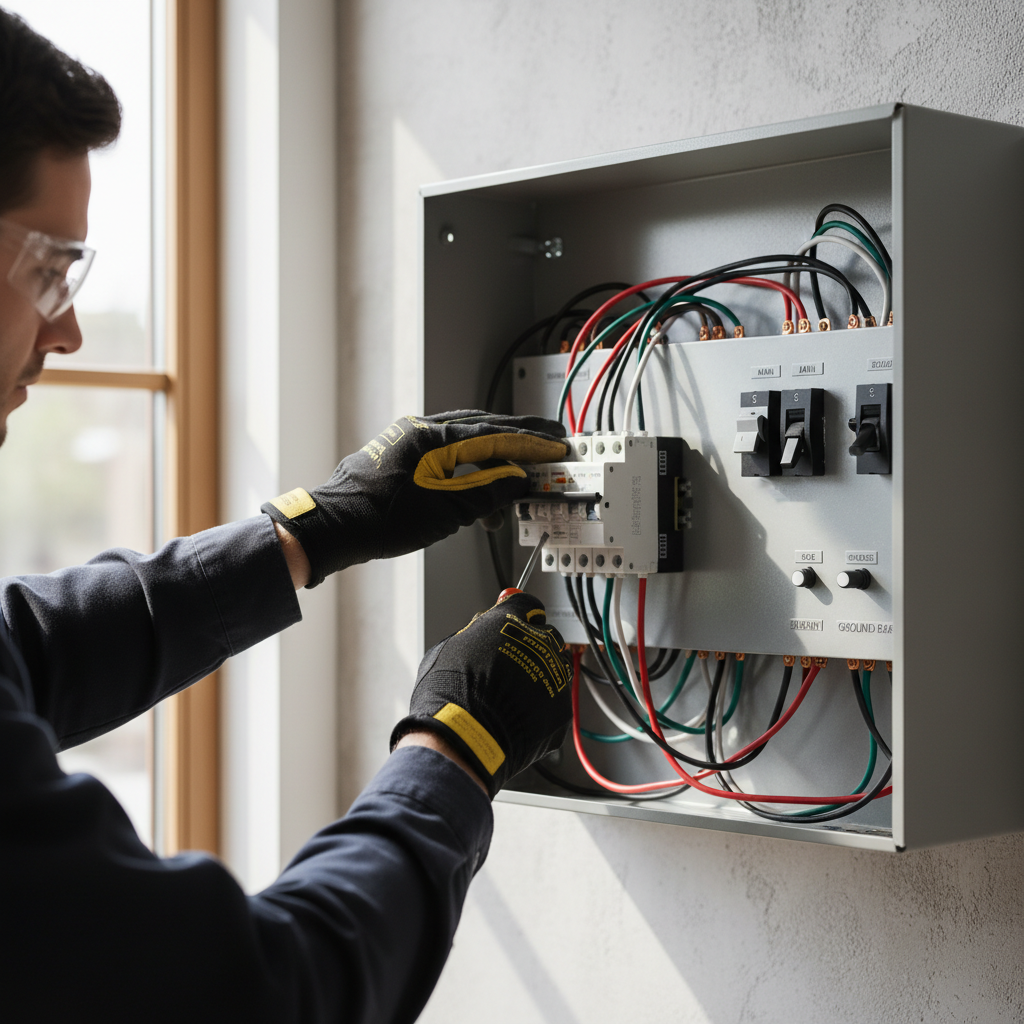
Beyond safety, the technical effectiveness of the device depends almost entirely on the quality of the grounding system. A surge protector functions by shunting excess voltage into the earth. If the connection to the ground bus is not secure or if the home's grounding electrode system is degraded, the protector will fail to divert the energy. At Gobes Electrical, we verify that your grounding system meets specific resistance requirements to ensure the protection actually works when a spike occurs.
Fillmore residents face unique challenges, including rural grid fluctuations and intense seasonal weather patterns. Store-bought power strips are designed for minor spikes at a single outlet, but they cannot manage the high-energy events common in Millard County. Using professional electrical services ensures you receive industrial-grade equipment integrated directly into your infrastructure, providing reliability that a plastic plug-in strip cannot match. If you have questions about your panel capacity, contact Gobes Electrical for a professional assessment.
Signs Your Home Might Be Experiencing Frequent Surges
Recognizing the subtle warning signs of electrical instability can prevent a minor nuisance from becoming a costly repair. Many Fillmore residents overlook small disruptions, assuming they are just quirks of rural power delivery; however, consistent symptoms often indicate that your system is struggling with internal transients.
Digital clocks on appliances constantly blinking or resetting without a storm.
Lights that dim or flicker momentarily when the HVAC system or well pump cycles.
A faint scent of burnt plastic or ozone near outlets, or visible discoloration on faceplates.
Frequent failure of LED bulbs, which are highly sensitive to voltage fluctuations.
Nuisance tripping of AFCI or GFCI breakers for no apparent reason.
If your property is more than 20 years old, these signs may point to aging infrastructure that lacks modern safety redundancies. For these homes, we recommend scheduling professional electrical services for a comprehensive safety inspection in conjunction with the installation of whole home surge protection. A thorough audit ensures your grounding system is fully functional, which is vital for the device to divert energy effectively. If you have observed any of these red flags, contact Gobes Electrical to evaluate your panel and secure your home against further damage.
Protecting your Fillmore home from unexpected power surges is one of the most effective ways to safeguard your valuable appliances and electronics. While individual power strips offer minor defense, a dedicated whole home system provides the comprehensive security your property truly requires. If you would like professional guidance on selecting or installing the right equipment for your specific needs, we are here to assist. You can learn more about our team and our commitment to electrical safety throughout the community. Ensuring your home stays protected is our primary goal; we look forward to helping you.