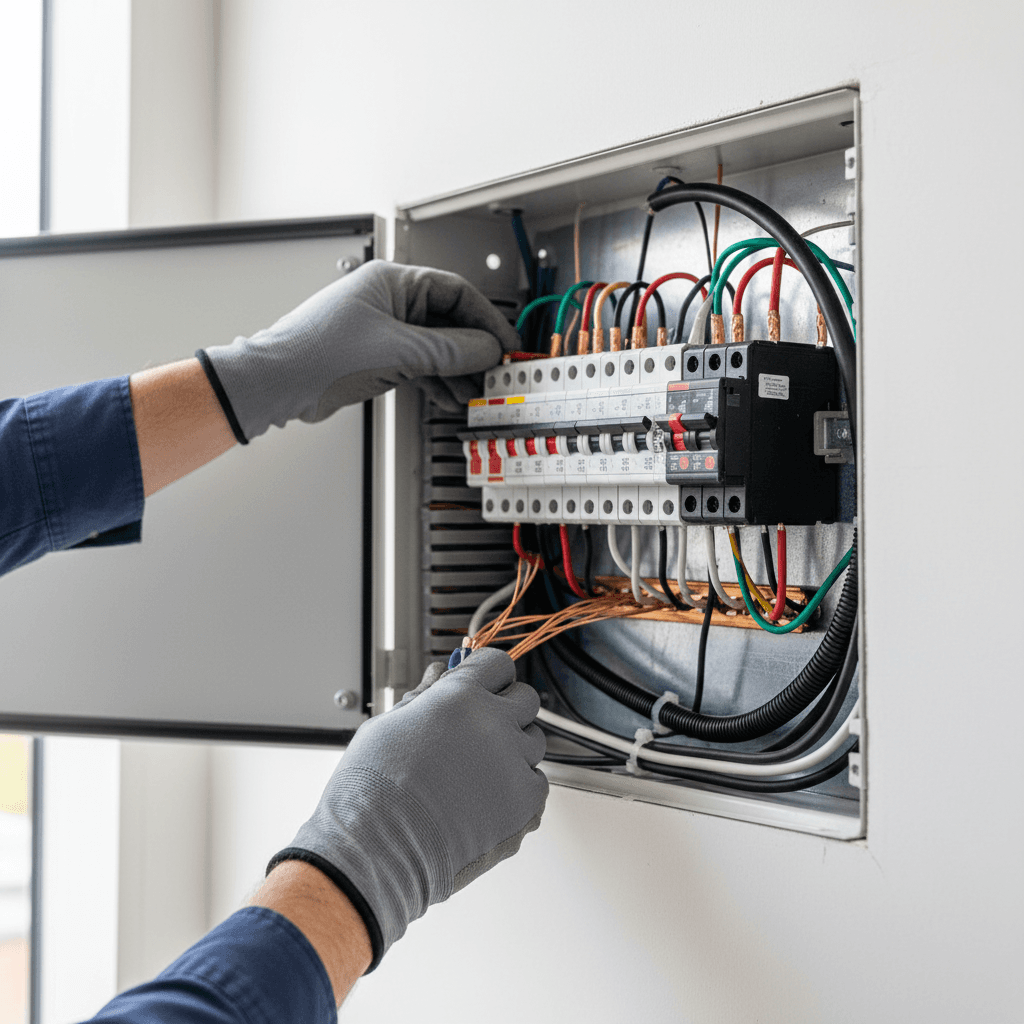
A GFCI outlet is a required safety device for moisture prone areas like kitchens and bathrooms that prevents electrical shock by cutting power during ground faults. You should consider a GFCI replacement outlet if the unit fails to reset, trips repeatedly, or has exceeded its average lifespan of 15 to 25 years. Proper GFCI outlet wiring is essential for maintaining code compliance and ensuring the reset function works correctly to protect your home.
Few things are more frustrating than a kitchen outlet that suddenly cuts power while you are preparing a meal, or a bathroom reset button that refuses to engage. These interruptions often signal a deeper issue with your Ground Fault Circuit Interrupter (GFCI) outlets. Beyond the immediate inconvenience, these devices serve as a critical safeguard against lethal electrical shocks in high risk areas of your home; understanding their operation is essential for maintaining a safe and modern household. In this guide, we examine current Fillmore electrical codes and the evolving NEC standards. We will also troubleshoot why your outlets keep tripping, explain how to identify a failing unit, and compare the advantages of GFCI outlets versus breakers. Our goal is to provide the expert clarity you need to ensure your home remains both functional and fully compliant with professional safety standards.
What is a GFCI Outlet and How Does It Work?
A Ground Fault Circuit Interrupter, commonly known as a GFCI outlet, is a specialized device designed to protect people from electrical shock. You may hear these referred to as GFI outlets; both terms describe the exact same technology. While a standard circuit breaker is designed to protect your home’s structure from fire caused by overloads or short circuits, the GFCI is engineered specifically for life safety by monitoring the flow of electricity at the point of use.
The mechanism inside a GFCI outlet is remarkably precise. It constantly measures the current flowing through the hot wire and compares it to the current returning through the neutral wire. Under normal operating conditions, these two values are equal. However, if the outlet detects an imbalance, it indicates that electricity is escaping the intended path. This is known as a ground fault, which can occur if electricity travels through moisture or a human body to reach the ground.
GFCI devices are significantly more sensitive and faster than the breakers found in your main panel. They can detect a current leak as small as 4 to 5 milliamps and will shut off the power in as little as 1/30th of a second. This rapid response time is critical because it interrupts the circuit before the electricity has enough time to cause a fatal heart rhythm or serious injury. If your home still utilizes older, non-protected receptacles in high-risk areas, you should contact an expert Fillmore electrician to discuss an upgrade. Utilizing professional electrical services ensures these devices are installed and tested correctly to provide the intended level of protection for your family.
Where are GFCI Outlets Required by Code in Fillmore?

The National Electrical Code (NEC) establishes the minimum safety requirements for electrical systems across the country, including here in Fillmore. The primary rule is that a GFCI outlet must be installed in any location where water and electricity are likely to come into contact. These wet or damp areas pose the highest risk for ground faults, making fast-acting protection a legal necessity rather than an optional upgrade.
In a standard residential property, the NEC mandates GFCI protection in the following critical zones:
Bathrooms: All receptacles must be protected without exception.
Kitchens: Any outlet serving a countertop surface located within 6 feet of the outside edge of a sink requires protection.
Outdoors: All exterior receptacles require protection, and these must also be housed in weather-resistant covers to prevent moisture intrusion.
Garages and Accessory Buildings: Any outlet in a garage, storage shed, or work area must be protected due to the likelihood of moisture or contact with concrete floors.
Unfinished Basements and Crawl Spaces: These areas often experience high humidity or seasonal moisture seepage through foundations.
Laundry Areas: A common question involves washing machines. Recent code updates now specify that all receptacles in laundry areas must be GFCI protected.
Area | Specific Requirement |
|---|---|
Kitchen | Outlets within 6 feet of any sink edge |
Bathroom | 100% of all receptacles |
Laundry | All outlets, including dedicated appliance circuits |
Exterior | All receptacles including porch and deck outlets |
Below Grade | All unfinished basements and crawl spaces |
Many older homes in Fillmore were built before these modern safety standards were fully integrated into the building code. However, if you are planning a renovation, an addition, or preparing your home for sale, local inspectors will typically require you to bring these specific areas up to current standards. Failing to do so can lead to failed inspections or safety liabilities. If you are unsure if your home meets these criteria, you should contact an expert Fillmore electrician for a thorough safety assessment. Upgrading these circuits through professional electrical services ensures that your home remains compliant and, more importantly, safe for everyone inside.
The Evolution of Electrical Standards: NEC 2026 and Beyond
The National Electrical Code (NEC) is revised every three years to reflect the latest safety data and technological advancements. These updates consistently move toward more comprehensive protection, meaning the standard GFCI outlet requirements of ten years ago are often insufficient by today’s benchmarks. As we look toward the NEC 2026 cycle and beyond, the focus has shifted from simple wall plugs to specialized, high-demand equipment.
Recent and upcoming code cycles have expanded the scope of protection to include higher amperage circuits and specific appliances that were previously exempt. For example, GFCI protection is now standard for dishwashers and sump pumps, even when they are hardwired. Furthermore, the industry is seeing a transition toward requiring protection for 250-volt circuits, which affects heavy-duty appliances like electric ranges and clothes dryers.
By monitoring these shifting regulations, Gobes Electrical ensures that your home or business stays ahead of the curve. Implementing these standards early provides the highest level of life safety and prevents future headaches during property inspections. If you are upgrading your kitchen or adding new equipment, you can utilize professional electrical services to verify that your system is up to date. To discuss how these evolving standards impact your next project, contact an expert Fillmore electrician for a detailed consultation.
How Long Do GFCI Outlets Last?
While standard electrical receptacles might last for decades, a GFCI outlet has a much shorter operational life. A common misconception among homeowners is that if an outlet still provides power, it is still performing its safety function. In reality, the complex internal sensing circuitry can degrade long before the physical connection fails. The industry standard lifespan for these specialized devices is typically 10 to 15 years. Once the internal mechanism wears out, the outlet may continue to pass current but will no longer trip during a ground fault, leaving you without shock protection.
Environmental factors in Fillmore play a significant role in this degradation. High humidity in bathrooms or exposure to intense temperature fluctuations in outdoor settings can corrode the sensitive micro-components inside the device. To ensure your safety, you should perform a manual check every month. Press the "Test" button to ensure the power cuts off, then press "Reset" to restore it. If the button fails to click or the power remains on after testing, the internal circuitry has likely failed. If you discover a faulty device during your monthly check, you should contact an expert Fillmore electrician to arrange for a replacement. Utilizing professional electrical services ensures that your safety devices are actually functional and capable of protecting your family when they are needed most.
Common Troubleshooting: Why Your GFCI Outlet Keeps Tripping

When a GFCI outlet trips repeatedly, it is often performing its primary function by identifying a hazardous electrical condition. Before assuming the device itself is defective, you should investigate several common external causes that trigger the internal shut-off mechanism. Understanding these triggers can help you determine if you have a simple appliance issue or a more complex wiring problem.
Ground Faults: This is the most frequent reason for a trip. A ground fault occurs when electricity escapes its intended path and seeks a shortcut to the ground. This can happen due to damaged wire insulation, dust accumulation in the outlet box, or a loose connection touching the metal mounting strap.
Moisture Intrusion: This is a particularly common issue in Millard County during periods of heavy rain or rapid snow melt. Even if you have weather-resistant covers, wind-driven moisture can seep into outdoor receptacles. If an exterior outlet trips during a storm, it is likely detecting a conductive bridge created by water.
Faulty Appliances: In many cases, the outlet is fine but the device plugged into it is failing. Older toasters, hair dryers, or space heaters often develop internal leaks in their heating elements. If the outlet only trips when a specific device is turned on, the appliance is likely the source of the fault.
Overloaded Circuits: While the main breaker panel handles large overloads, a GFCI can sometimes trip if multiple high-wattage appliances are drawing current through the same protected circuit simultaneously.
Wiring Errors (Line vs. Load): During DIY installations, it is easy to swap the "Line" and "Load" wires. The Line wires provide the incoming power from the panel, while the Load wires transfer protection to other outlets further down the circuit. If these are reversed, the outlet may trip immediately or fail to provide any safety protection despite appearing to have power.
If you find that your outlet trips with nothing plugged into it, or if it refuses to reset after a storm, you should contact an expert Fillmore electrician for a diagnostic check. Utilizing professional electrical services is the safest way to ensure your home remains compliant and protected from hidden ground faults.
How to Tell if a GFCI Outlet is Bad
Identifying a failing GFCI outlet requires looking for specific mechanical and electrical indicators that the device's internal safety components have reached their limit. If the troubleshooting steps mentioned previously do not restore functionality, the following signs usually indicate it is time for a replacement:
Mechanical Reset Failure: The 'Reset' button should engage with a firm, tactile click. If the button feels spongy or refuses to stay depressed when pushed, the internal latching mechanism is likely broken.
Diagnostic LED Status: Most modern units manufactured in the last decade include a small indicator light. A solid or blinking red light is a clear signal that the self-test feature has detected an internal fault and the device can no longer provide protection.
No Power After Reset: If the breaker at the main panel is on, but the outlet provides no power to your appliances even after being reset, the internal circuitry has likely burned out.
Visible Heat Damage: Discoloration around the plug slots, melting plastic, or a faint burning smell are critical warning signs. These indicate high resistance or arcing, which are fire hazards.
A GFCI outlet tester is a reliable, inexpensive tool for homeowners to verify these devices without guessing. This tester plugs directly into the receptacle and simulates a ground fault to confirm the outlet trips within the required timeframe. If your outlet fails to trip during a controlled test, you should contact an expert Fillmore electrician immediately. Securing professional electrical services ensures that faulty units are replaced with modern, weather-resistant hardware that keeps your property safe and code-compliant.
GFCI Outlets vs GFCI Breakers: Which is Better?
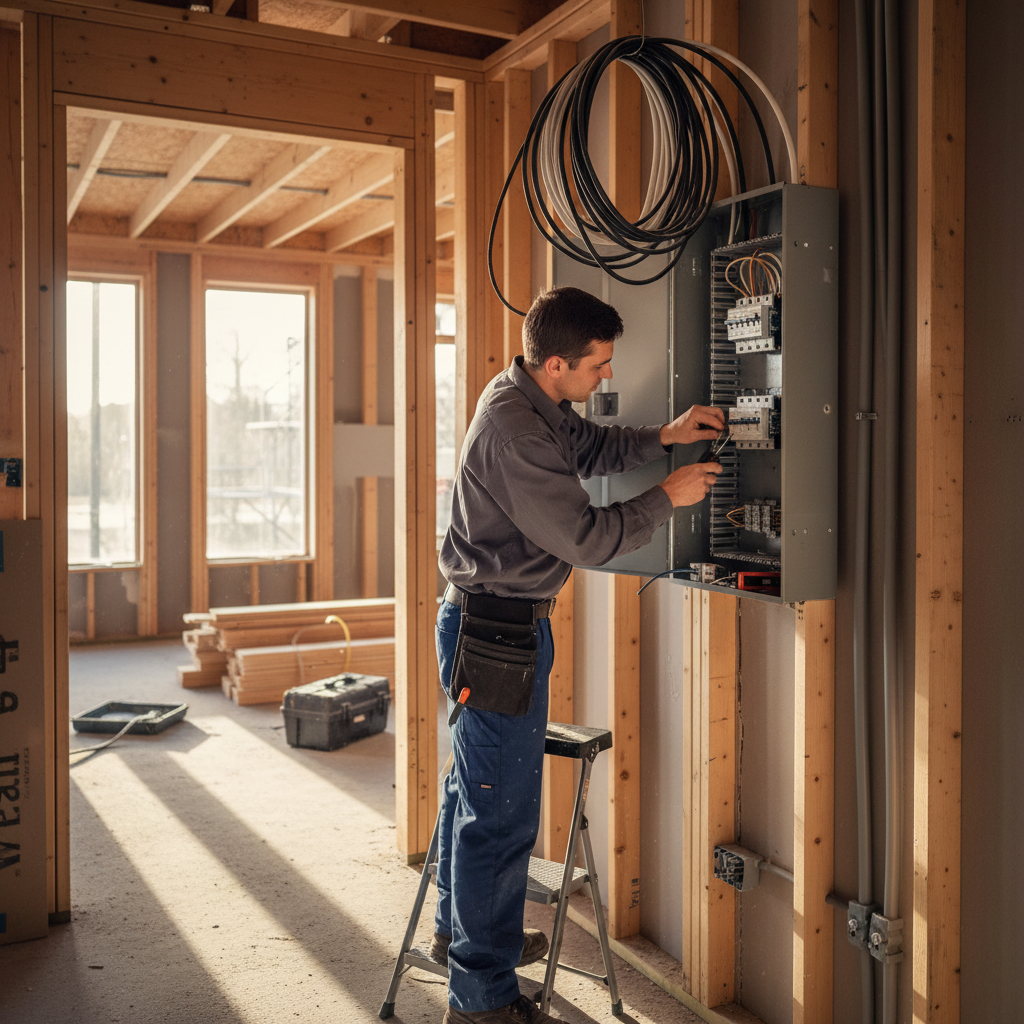
Choosing between a GFCI outlet and a GFCI breaker depends on the specific layout and usage of your home's electrical system. A GFCI outlet is often the preferred choice for bathrooms and kitchens because it is inexpensive and allows for an immediate reset at the point of use. If a hair dryer trips the circuit, you do not have to walk to the garage or basement to restore power. These units also provide a visual diagnostic light, making it simple to verify if the protection is active.
Conversely, GFCI breakers are installed directly into your main service panel. They provide protection for the entire circuit, including every standard outlet and light fixture connected to it. This is highly effective for laundry rooms or kitchen niches where a refrigerator or washing machine might block access to a wall receptacle. Resetting a tripped device behind a heavy appliance is nearly impossible; in these scenarios, a panel-based breaker is the more practical solution.
Feature | GFCI Outlet | GFCI Breaker |
|---|---|---|
Location | Individual wall receptacle | Main electrical panel |
Protection Scope | The outlet and downstream loads | The entire electrical circuit |
Reset Convenience | High (at the point of use) | Lower (requires access to panel) |
Installation Cost | Generally lower | Generally higher |
When planning a renovation or safety upgrade, you should contact an expert Fillmore electrician to evaluate your home's needs. We provide professional electrical services that help you determine which configuration offers the most reliable protection for your specific floor plan.
Why Professional Installation Matters for GFCI Replacement
While many online tutorials suggest how to wire a gfci outlet is a straightforward weekend task, the consequences of a mistake are significant. The most common error involves confusing the "line" and "load" terminals. If the gfci outlet wiring is reversed, the device may still provide power to your appliances; however, the internal sensing mechanism will be bypassed. This creates a dangerous false sense of security where the user assumes they are protected from ground faults when they are actually at risk of electrocution.
A professional installation by Gobes Electrical eliminates this risk. We go beyond simply making sure the light turns green. Our technicians use specialized diagnostic tools to verify correct polarity and precise trip-time accuracy. We ensure that the device disconnects within the milliseconds required by National Electrical Code and Fillmore safety standards. Furthermore, we inspect the condition of the existing wiring and the integrity of the electrical box to prevent future arcing or heat buildup.
Choosing professional electrical services ensures that your safety devices are installed to meet the latest requirements for residential and commercial properties. If you have older outlets that need upgrading or suspect an existing unit was installed incorrectly, you should contact an expert Fillmore electrician to perform a certified safety check and replacement.
Maintaining functional GFCI outlets is a vital part of keeping your home safe from electrical hazards and water related shocks. By understanding how to test your outlets and recognizing the signs of wear, you can ensure your family remains protected. If you want expert help managing your electrical system or need a professional to handle complex replacements, you can learn more about our team and our commitment to safety. We are here to help ensure your home stays up to code.