Professional outdoor lighting installation in Fillmore enhances property safety and curb appeal through custom low voltage or holiday lighting designs. Most homeowners can expect to pay between $2,000 and $4,500 for a standard project, though costs vary based on fixture quality and total coverage area. Certified experts ensure all wiring is buried correctly and complies with safety standards to prevent electrical hazards.
As the sun sets over the Pahvant Range, many Fillmore properties disappear into deep shadows, leaving pathways hazardous and beautiful architecture unseen. Generic solar stakes often fail to withstand harsh Utah winters, resulting in flickering bulbs and wasted investments that do not provide the security your family deserves. Professional landscape lighting transforms these vulnerabilities into functional assets by enhancing safety and curb appeal simultaneously. At Gobes Electrical, we know that a high quality system requires more than just placing fixtures; it involves precise engineering to handle heavy snow loads and local soil conditions. This guide explores the essential components of a robust installation, including the technical differences between line and low voltage systems. You will also find a detailed cost breakdown for 2026 and specific strategies for designing a lighting scheme that thrives in the unique climate of Millard County.
Why Fillmore Homeowners Are Investing in Professional Landscape Lighting
Fillmore offers a unique blend of quiet residential charm and expansive high-desert landscapes. Investing in a professional outdoor lighting installation serves a dual purpose for local homeowners, providing essential security while accentuating the architectural features of the property. In our quieter neighborhoods, strategic illumination acts as a natural deterrent to unwanted activity, ensuring that entry points and blind spots are clearly visible without being intrusive.
Utah is known for its incredible dark skies, and we prioritize designs that respect this resource. By using directional shielding and modern LED technology, we minimize light pollution, keeping the light focused on your paths and foliage rather than spilling into the night sky. This precision is especially critical during our Fillmore winters. When walkways become slick with ice and snow, properly placed path lights provide the necessary visibility to navigate your property safely, reducing the risk of slips or falls on dark, frozen nights.
Beyond safety, high-quality lighting significantly boosts curb appeal and property value. By utilizing professional electrical services, you ensure that your system is wired for long term durability against the elements. If you are ready to enhance your home’s exterior, you can contact Gobes Electrical to discuss a customized layout that meets Utah electrical codes and withstands our specific climate.
Popular Types of Outdoor Lighting for Utah Landscapes
Selecting the right fixtures for an outdoor lighting installation involves balancing immediate utility with the environmental demands of Millard County. In our high desert climate, lighting serves distinct functional roles depending on its placement and intensity.
Type | Primary Purpose | Ideal Application |
|---|---|---|
Path Lights | Safety and navigation | Walkways, driveways, and garden perimeters |
Spotlights / Up-lighting | Architectural aesthetics | Highlighting trees, stonework, and facades |
Floodlights | Security and visibility | Broad coverage for driveways or large backyards |
Deck / Patio | Utility and ambiance | Illuminating stairs, railings, and seating areas |
Path lights are essential for navigating Fillmore properties, especially when winter storms obscure the edges of walkways. Spotlights or up-lighting fixtures are typically used to graze the texture of stone siding or to illuminate the canopy of a mature tree, adding depth to your landscape at night. For high traffic areas where visibility is the priority, floodlights provide the necessary lumen output to ensure safety. Deck and patio lighting is more localized, focusing on specific tasks or providing enough light for evening gatherings.
The durability of these fixtures is where many homeowners run into trouble. The intense UV exposure in the summer and heavy snow loads in the winter make cheap plastic or thin aluminum fixtures a poor investment for Utah homes. Plastic becomes brittle and cracks under the weight of frozen drifts, while thin metals quickly corrode when exposed to irrigation spray and melting snow.
At Gobes Electrical, we advocate for professional grade fixtures made of solid brass or copper. These materials are inherently resistant to corrosion and heavy enough to remain stable during high wind events. While the initial cost is higher, these durable materials develop a natural patina that blends into the desert landscape and lasts for decades. Utilizing professional electrical services ensures that these high quality components are paired with robust wiring that survives our unique soil conditions.
Line Voltage vs Low Voltage Systems: What is Best for Your Home?
Determining the right power source for an outdoor lighting installation involves choosing between 120V (line voltage) and 12V (low voltage) systems. Most modern residential designs favor low voltage systems because they are significantly safer and more energy efficient. These systems utilize a transformer to step down the standard 120 volt current from your home to a manageable 12 volts. Because the voltage is low, the risk of a dangerous shock is virtually eliminated, making it the preferred choice for areas where children, pets, or gardening activities are common.
Line voltage systems operate at the same level as your indoor appliances. While more complex to install, line voltage is necessary for high intensity security floodlights or when we are extending power to a detached garage or a distant gate. Unlike low voltage wires, which can often be buried just a few inches deep, line voltage requires professional electrical services to ensure wiring is encased in conduit and buried at depths required by Utah electrical codes, typically 18 to 24 inches depending on the surface.
Feature | Low Voltage (12V) | Line Voltage (120V) |
|---|---|---|
Safety | Highly safe for pets and kids | Risk of shock if wire is damaged |
Trench Depth | Typically 6 inches | 18 to 24 inches (code specific) |
Energy Use | Extremely efficient (LED) | Higher power draw |
Primary Use | Path and accent lighting | High power security and structures |
Deciding between the two depends on your specific goals. If you need powerful illumination for a large commercial parking lot or a high reach security system, line voltage is the standard. For residential ambiance and walkway safety, low voltage offers better flexibility and easier adjustment of fixtures as your landscape grows. If you are unsure which system your current panel can support, you should contact Gobes Electrical for a technical site evaluation to ensure your exterior circuits are not overloaded.
Do You Need an Electrician to Install Outdoor Lighting?
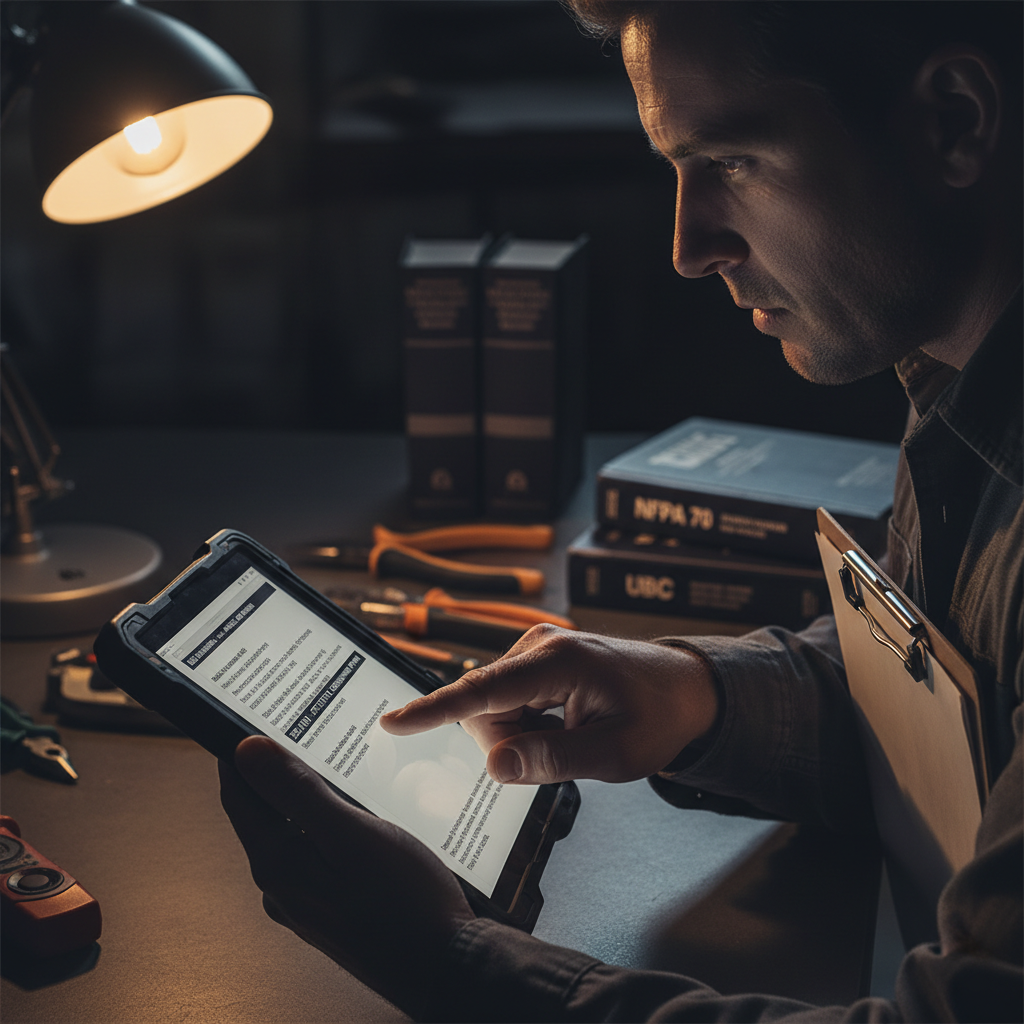
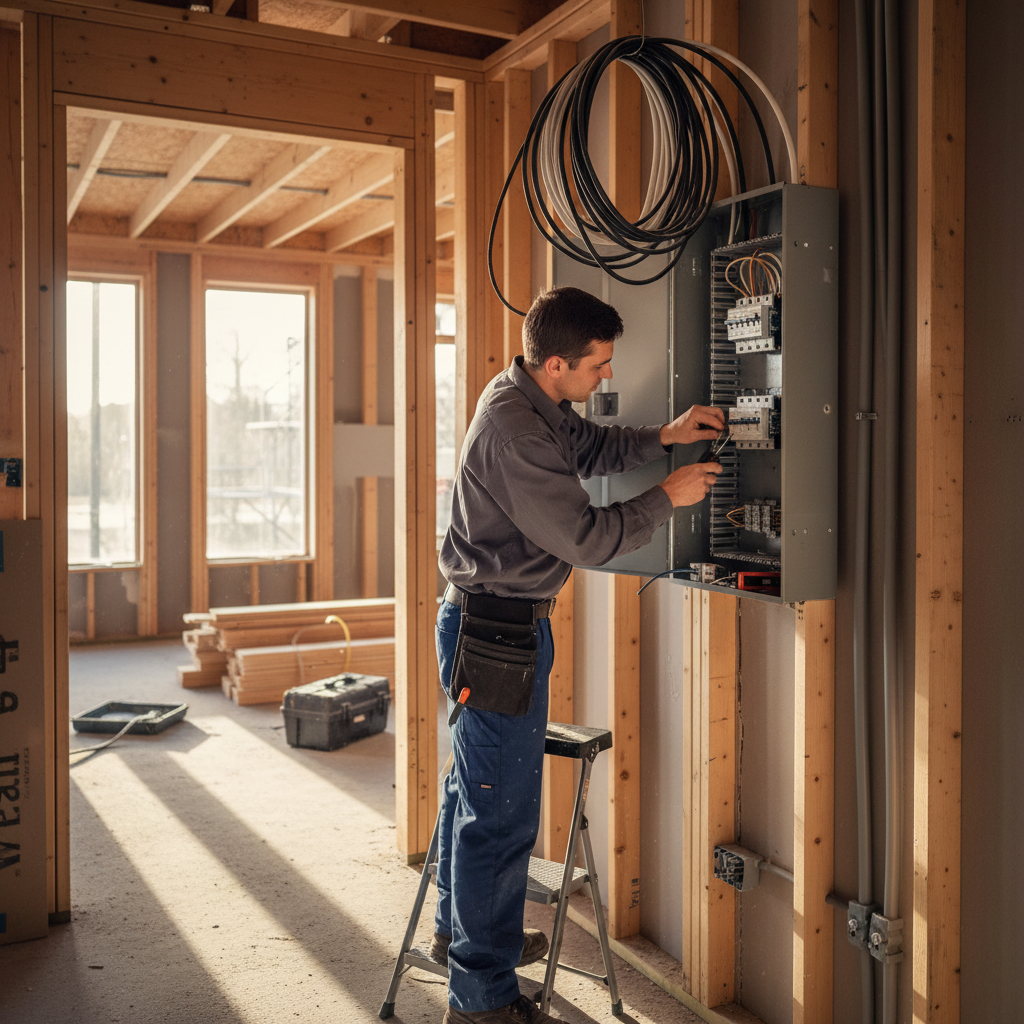
Selecting between line and low voltage systems is the first technical hurdle; the second is determining if the installation is a weekend project or a job for a licensed professional. While many big-box retailers market low voltage kits as simple plug and play solutions, a robust outdoor lighting installation often involves tasks that fall strictly under professional jurisdiction. In Fillmore, any project requiring the installation of a new exterior outlet or a direct connection to your home’s main electrical panel must be handled by an electrician to comply with Utah electrical codes.
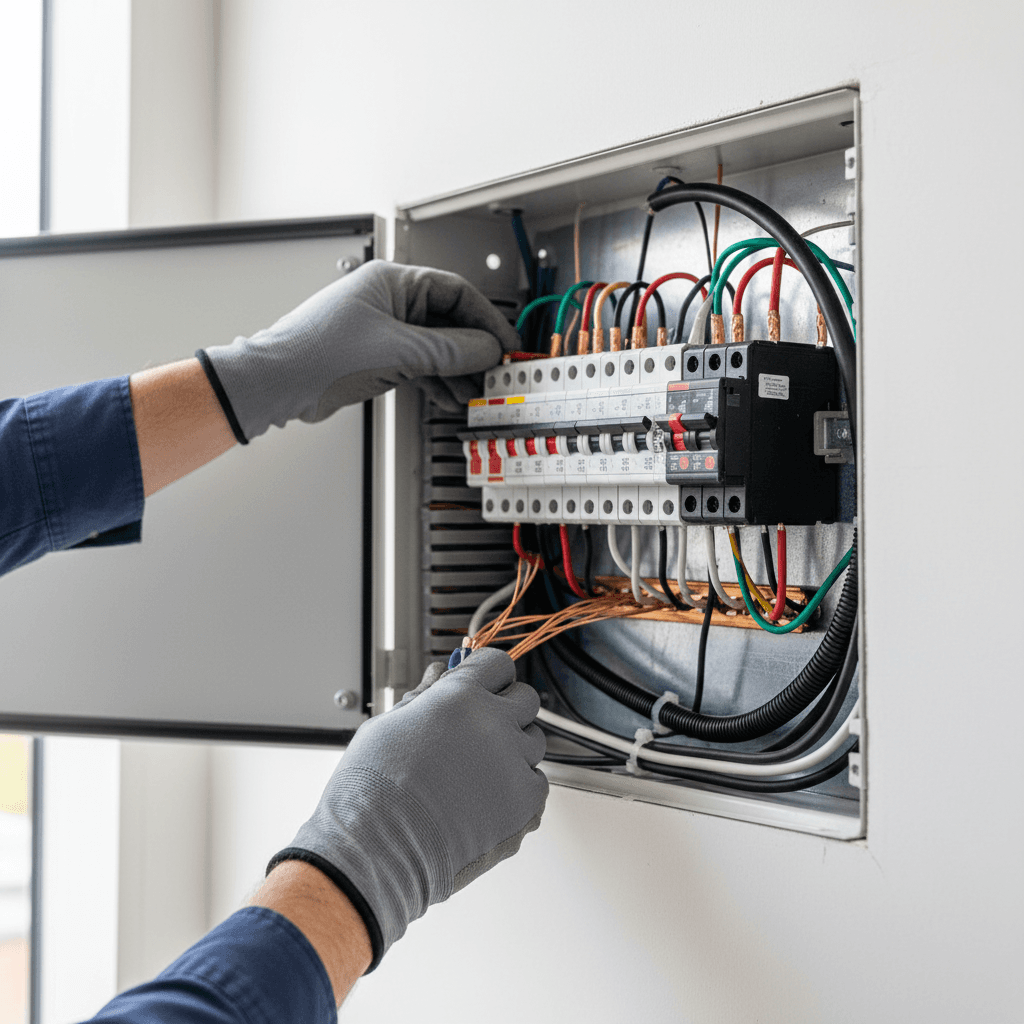
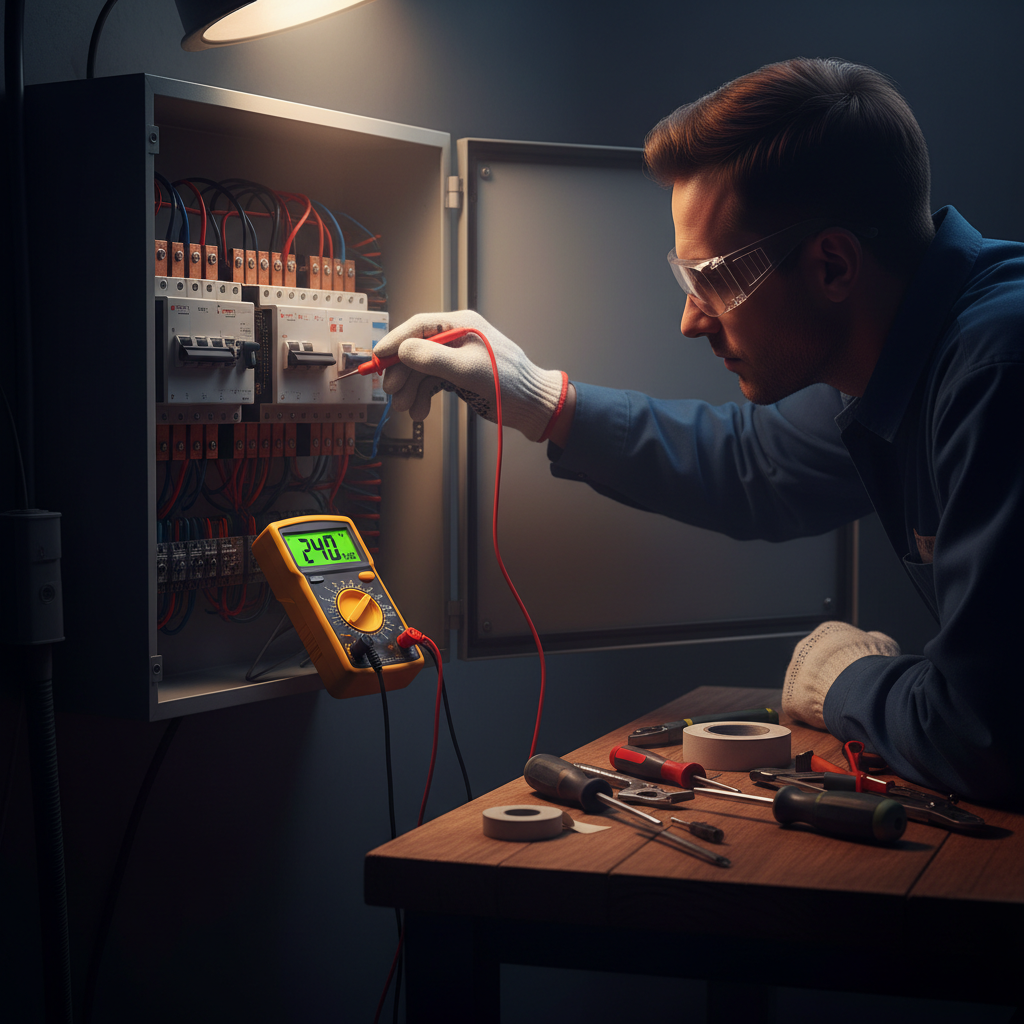
Safety in our varied climate is paramount. All exterior power sources must be protected by Ground Fault Circuit Interrupters (GFCIs). These devices are designed to shut off power instantly if they detect a current leak, which is a critical safeguard against electric shock in the wet conditions common during Utah winters. A professional ensures these breakers or outlets are correctly installed and housed in weatherproof enclosures that meet current safety standards.
Beyond the panel, the physical layout of a system often presents challenges. Trenching through Fillmore’s rocky soil or navigating around existing hardscapes like patios and walkways requires specialized equipment and an understanding of underground utility locations. If your project involves hardwiring fixtures or upgrading your panel to handle additional loads, utilizing professional electrical services is the only way to ensure the system is both legal and safe. For homeowners planning a comprehensive lighting upgrade that involves new circuitry, you should contact Gobes Electrical to review the site requirements and verify that your exterior power supply is up to code.
Outdoor Lighting Installation Cost Breakdown for 2026
A professional outdoor lighting installation in 2026 for a standard Fillmore residence typically ranges from $3,000 to $6,000. This investment covers the high-grade components required for Utah's climate and the specialized labor involved in a code-compliant setup. While individual fixtures at retail stores may seem inexpensive, professional-grade systems prioritize longevity through better materials and more robust electrical engineering.
Item | Estimated Cost (Professional Grade) |
|---|---|
Individual Fixture (Material + Labor) | $200 – $350 per unit |
Multi-Tap Transformer (Stainless Steel) | $400 – $900 |
Standard Trenching (Per Linear Foot) | $5 – $12 |
Total System (8–12 Fixtures) | $3,000 – $6,000 |
Local geographic factors in Millard County can influence these totals. Fillmore often features rocky, compacted soil that makes manual trenching difficult; this may require specialized power equipment to reach the depths necessary to protect wiring from garden tools or frost heave. Additionally, if your home’s electrical system is older, a panel upgrade might be necessary to support new dedicated exterior circuits.
When you invest in professional electrical services, the cost accounts for technical precision, such as calculating voltage drop to ensure the last light in the chain is as bright as the first. To receive a project estimate tailored to your property’s specific soil conditions and power capacity, you should contact Gobes Electrical for a comprehensive site evaluation.
Designing for the Utah Climate: Snow, Wind, and Soil
Installing a system in Fillmore requires more than just electrical knowledge; it requires an understanding of how local weather patterns interact with hardware. For a successful outdoor lighting installation, fixture placement must account for the mechanical stress of snow removal. We recommend setting path lights at least 18 to 24 inches back from driveways and walkways. This distance protects components from being crushed by snowplows or buried under heavy drifts thrown by blowers.
Snow accumulation also dictates fixture height. While low profile lights look sleek in summer, they are functionally useless when buried under a typical Fillmore snowfall. Using 12 to 18 inch risers ensures your navigation lights remain visible through the mid-winter months. Furthermore, the constant cycle of freezing and thawing creates a high moisture environment for underground wiring. We use adhesive lined heat shrink connectors rather than standard wire nuts. These create a watertight seal that prevents irrigation water and melting snow from corroding the copper conductors, which is a common cause of system failure in Millard County.
The rocky soil in our area also demands specialized mounting. Traditional plastic stakes often snap during installation or shift during high wind events. If your property features the compacted, stony earth common around the Pahvant Range, contact Gobes Electrical to discuss heavy duty brass stakes or concrete mounting options. Our professional electrical services ensure your system stays upright and operational regardless of the season.
Common Questions About Professional Outdoor Light Installation
How much does an electrician charge to install an outside light? Labor rates in Millard County typically range from $75 to $150 per hour. For a complete outdoor lighting installation, many homeowners prefer flat-rate pricing, which usually ranges from $200 to $350 per fixture. This covers the skilled labor required for specialized wiring, waterproof connections, and ensuring the circuit is balanced.
Why is landscape lighting so expensive? The price reflects the longevity of components like solid brass fixtures and stainless steel transformers that withstand Utah’s freeze-thaw cycles. Unlike plastic retail kits, professional systems include heavy-duty conductors and technical labor, such as precise voltage drop calculations and code-compliant trenching through rocky soil.
Can I use LED bulbs in old fixtures? While drop-in LED bulbs are an option, integrated LED systems are superior. These fixtures are designed specifically to dissipate heat from the diode, preventing premature failure common in retrofitted halogen housings. If your current fixtures have corroded sockets, contact Gobes Electrical to discuss a modern upgrade. Our professional electrical services ensure your new layout is energy-efficient and safely grounded.
Enhancing your Fillmore property with outdoor lighting is a great way to improve safety and boost curb appeal. Whether you are focused on motion sensors or aesthetic landscape lights, understanding the costs and technical requirements is essential. If you want expert help to ensure your system is installed correctly and safely, we are ready to assist. You can learn more about our team and our commitment to quality before starting your next project. Professional guidance ensures your lighting lasts for years to come.