An electrical outlet not working is typically caused by a tripped circuit breaker, a triggered GFCI outlet, or loose wire connections within the wall. Troubleshooting involves resetting the breaker and checking for tripped GFCI buttons; however, persistent issues or signs of burning often indicate a faulty outlet that needs replacement by a professional.
Few things are more frustrating than plugging in a vital device only to discover there is no power. While a non-functional outlet may seem like a minor nuisance, it often serves as the first indicator of a deeper issue within your home’s electrical system. Understanding the root cause is essential for maintaining both convenience and safety. In this guide, we will examine the most common culprits, such as tripped GFCI devices and circuit breaker malfunctions. We will also discuss the physical warning signs of a failing outlet and the inherent risks of poor wiring practices like back stabbing. By the end of this article, you will know how to perform basic troubleshooting steps and exactly when you should contact a professional Fillmore electrician to ensure your property remains protected.
Understanding Why an Electrical Outlet Stops Working
It is incredibly frustrating when you go to start a load of laundry or plug in a kitchen appliance only to find your electrical outlet not working. While it might seem like a minor inconvenience, a dead outlet is rarely an isolated incident; it is usually a symptom of a larger circuit issue. In some cases, the fix is a simple reset, but many failures are rooted in more serious electrical faults that compromise your home’s safety.
At Gobes Electrical, we frequently see outlets fail due to loose connections, moisture intrusion, or aged components that have reached the end of their service life. A malfunctioning outlet can indicate a short circuit or an overloaded line that requires professional electrical services to diagnose correctly. A single dead receptacle in a Fillmore home often points toward problems further up the line, such as a tripped GFCI or a loose wire in a junction box. Understanding why the power stopped flowing is the first step toward a safe repair. If you suspect your wiring is compromised, you should contact Gobes Electrical for a diagnostic assessment.
The Most Common Culprit: Tripped GFCI Outlets
The most frequent cause of a sudden power loss in residential circuits is a tripped Ground Fault Circuit Interrupter (GFCI). A GFCI is a specialized safety device designed to monitor the flow of electricity and instantly cut power if it detects a ground fault, which occurs when electricity escapes its intended path. This detection happens in milliseconds, potentially preventing a fatal shock if current leaks toward a person or a water source.
GFCI outlets are required in areas where water is present. In Fillmore, we often see these outlets trip due to moisture intrusion during seasonal shifts, such as heavy spring snowmelt or sudden summer thunderstorms that affect outdoor patios and unsealed garages. If moisture enters the outlet housing, the GFCI will trip to protect the circuit. Similarly, a faulty appliance, like an old coffee maker or a damp power tool in the garage, can trigger the safety mechanism immediately upon being plugged in.
One of the most confusing scenarios for homeowners is the downstream effect. Electrical codes allow a single GFCI outlet to protect multiple standard outlets connected to the same circuit. If a GFCI in a master bathroom trips, it may kill power to standard outlets in a guest bathroom, the garage, or even outdoor receptacles. If you find a standard electrical outlet not working but the circuit breaker hasn't moved, the first step is to locate every GFCI in the house and check for a popped reset button.
If the GFCI trips immediately after you reset it, do not attempt to force the button or tape it down. Persistent tripping usually indicates a genuine ground fault, faulty downstream wiring, or a worn out receptacle that has reached the end of its service life. In these cases, you need professional electrical services to identify the fault location and replace the damaged components. If you cannot locate the master GFCI or if resetting it does not restore power, contact Gobes Electrical for an inspection to ensure your home remains safe and compliant with current electrical codes.
Checking the Circuit Breaker Panel
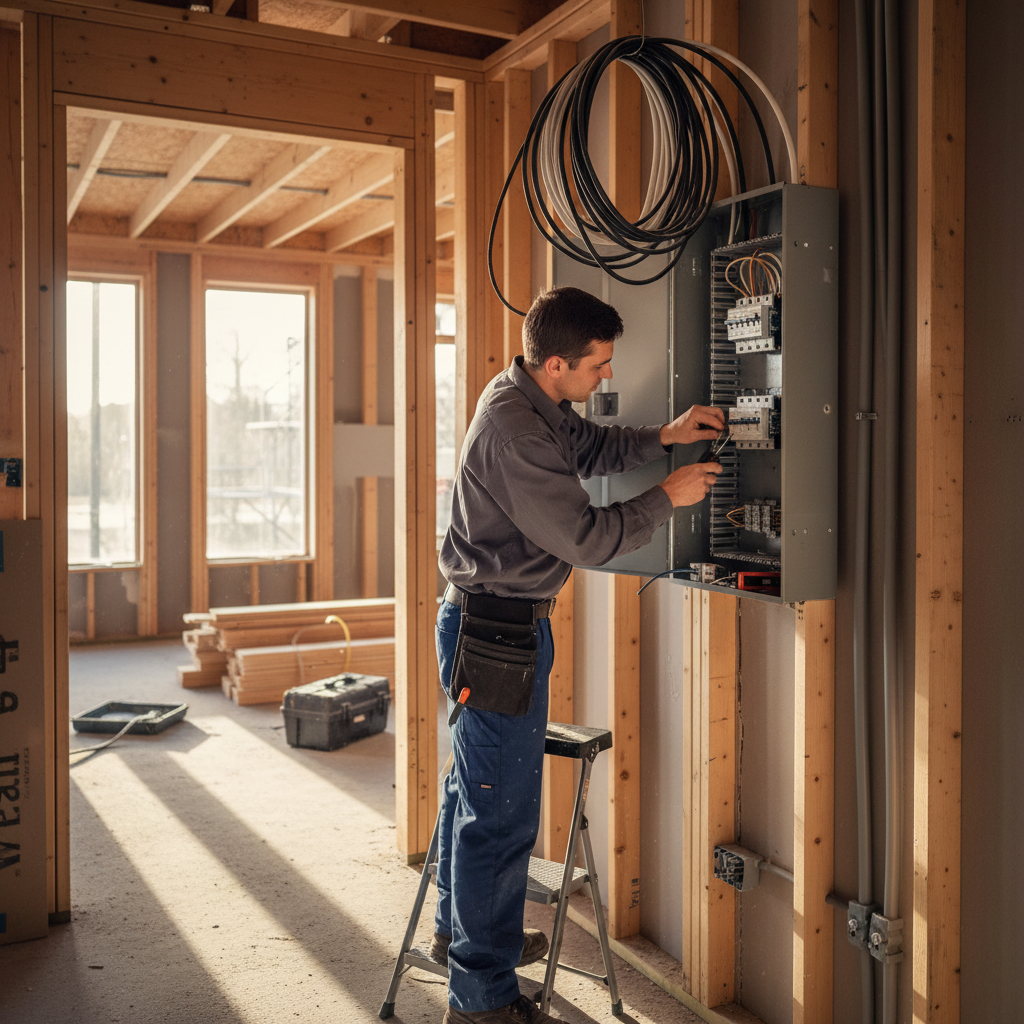
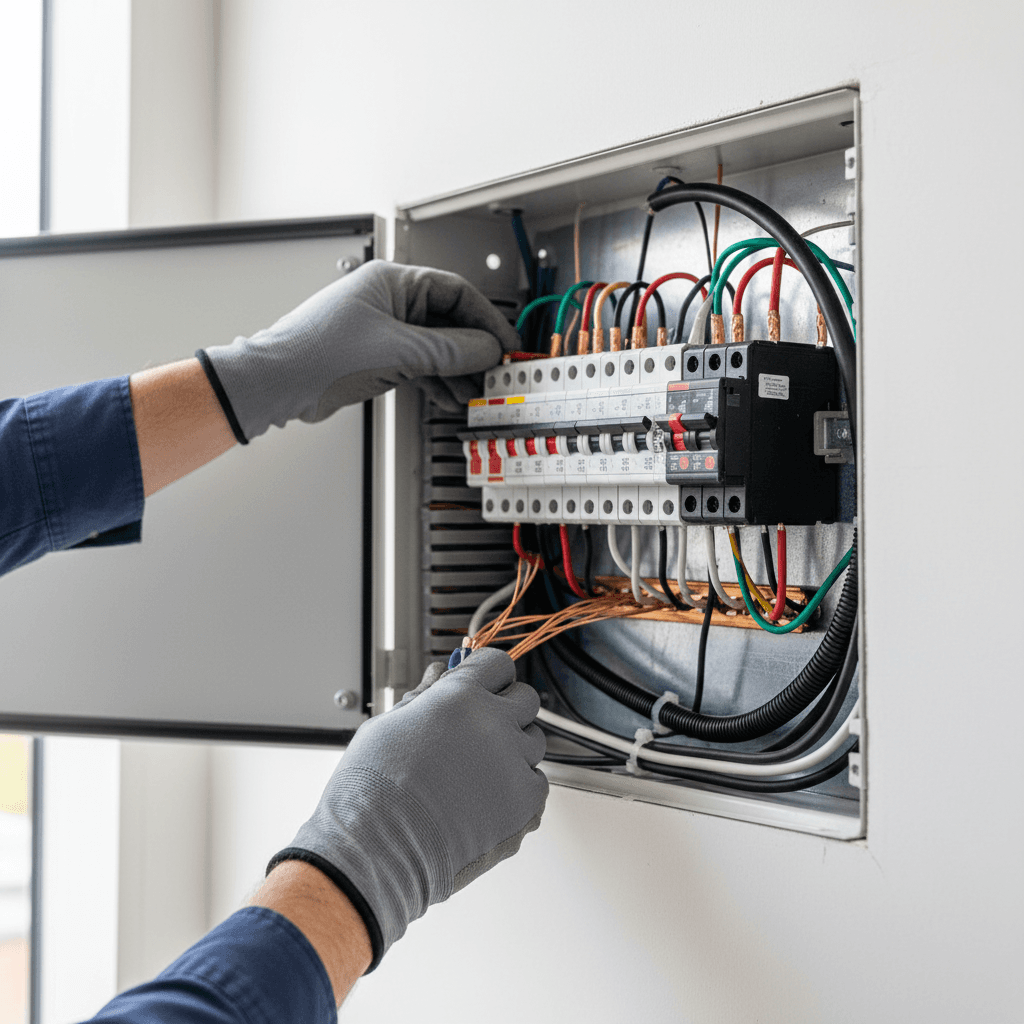
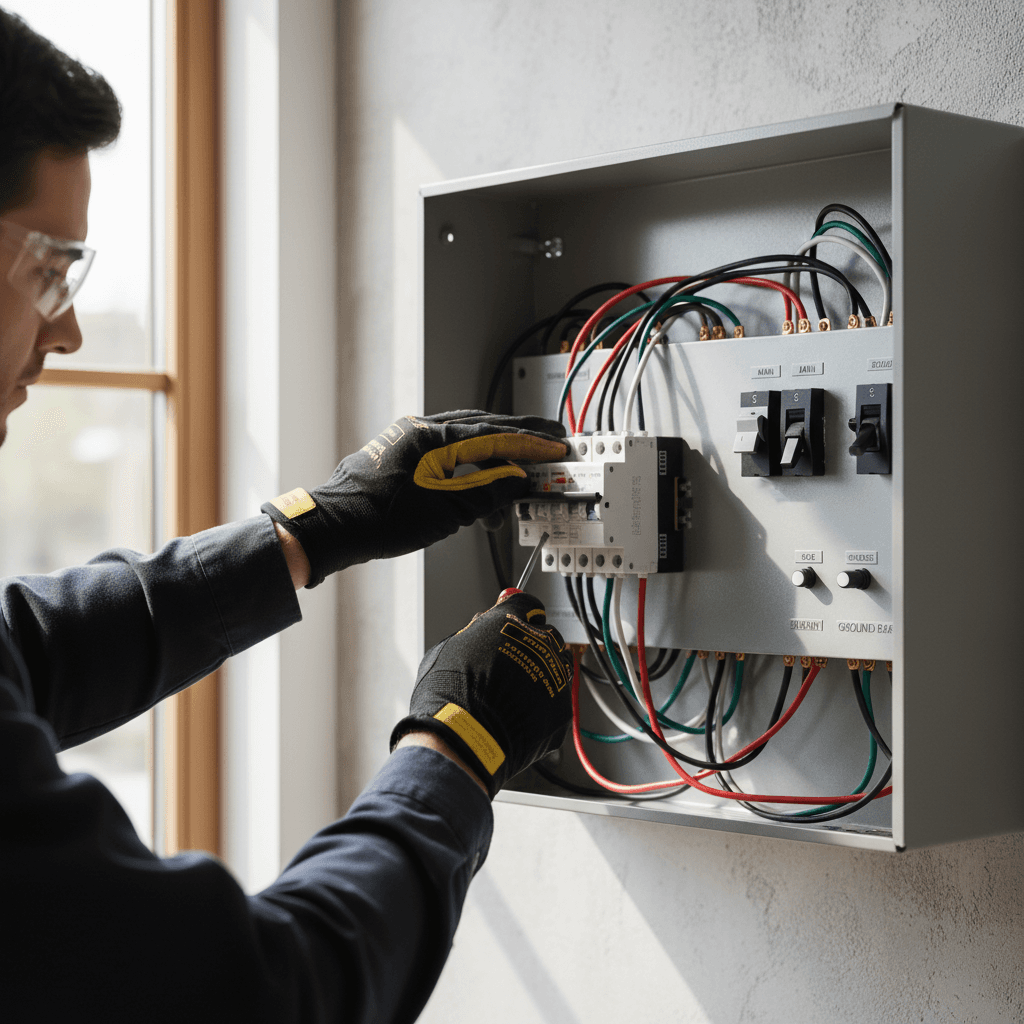
If resetting the GFCI does not restore power, your next step is to examine the main service panel. A circuit breaker protects your home by cutting power when it detects an electrical current exceeding the safety rating of the wires. To find a tripped breaker, look for a handle that is not aligned with the rest of the switches. In many cases, a breaker will not be flipped completely to the 'off' position; instead, it may be stuck in a middle position or feel loose to the touch.
To reset the circuit, push the handle firmly to the 'off' position until you hear a click, then flip it back to 'on.' If your electrical outlet not working was caused by a simple overload, such as running a space heater and a vacuum on the same line, this should resolve the issue. However, if the breaker trips again immediately after resetting, do not try to force it. A persistent trip usually indicates a short circuit, where a hot wire is touching a neutral or ground wire. This is a fire hazard that requires professional electrical services to locate the fault. If the panel shows signs of charring or the breaker refuses to stay in the 'on' position, you should contact Gobes Electrical immediately to prevent further damage.
How to Tell if an Electrical Outlet is Going Bad: Warning Signs
Even if the circuit breaker stays engaged, the physical condition of the receptacle can indicate a dangerous failure. Homeowners in Fillmore should regularly inspect high use areas for signs of deterioration. One of the most obvious red flags is discoloration. If you notice charring, browning, or melting on the face of the outlet or the surrounding cover plate, it is a sign of extreme heat caused by internal arcing.
You should also pay close attention to your senses of smell and hearing. A faint odor of burning plastic or ozone near a wall indicates that components are melting. Similarly, buzzing, popping, or crackling sounds are evidence of electricity jumping across gaps in the wiring. This arcing generates intense heat, which often makes the wall plate feel warm or hot to the touch.
Another common but overlooked warning sign is a loose grip. If plugs fall out easily or feel wobbly when inserted, the internal metal contact points have worn down or expanded. This lack of tension creates high electrical resistance, which leads to heat buildup. These symptoms are not just signs of an electrical outlet not working; they are active fire hazards that require immediate intervention. Ignoring a warm or buzzing outlet significantly increases the risk of an electrical fire behind your drywall. If you encounter any of these physical warning signs, you should immediately stop using the circuit and seek professional electrical services to replace the damaged hardware. Identifying these issues early allows us to perform necessary repairs before a small fault becomes a property wide emergency. You can contact Gobes Electrical for a thorough safety inspection if you suspect any of your receptacles are compromised.
The Danger of Loose Wiring and Back Stabbed Connections
While external signs like charring are obvious, the source of the failure is often hidden behind the wall plate in the actual wiring methods used during construction. A common technical cause for a residential electrical outlet not working is a practice known as back-stabbing. This occurs when an installer pushes the copper wire into spring-loaded holes on the back of the receptacle rather than wrapping the wire securely around the side screw terminals. While this method is faster for initial installation, it provides significantly less surface contact between the wire and the outlet.
Over time, the natural flow of electricity causes wires to go through cycles of thermal expansion and contraction. In a back-stabbed connection, this repeated movement eventually weakens the spring tension, leading to a loose connection. As the connection loosens, electrical resistance increases at that specific point. High resistance generates intense localized heat, which can oxidize the copper or even melt the plastic housing of the outlet. This internal degradation is a leading cause of premature device failure and potential fire hazards.
Ensuring your home uses side-wired connections with screws torqued to manufacturer specifications is a key part of professional electrical services. If you have noticed outlets that work intermittently or feel hot, you should contact Gobes Electrical to have your wiring inspected. Replacing back-stabbed outlets with properly terminated hardware is a vital step in maintaining a safe and reliable electrical system in Fillmore.
Troubleshooting Steps: What to Do Before Calling a Professional
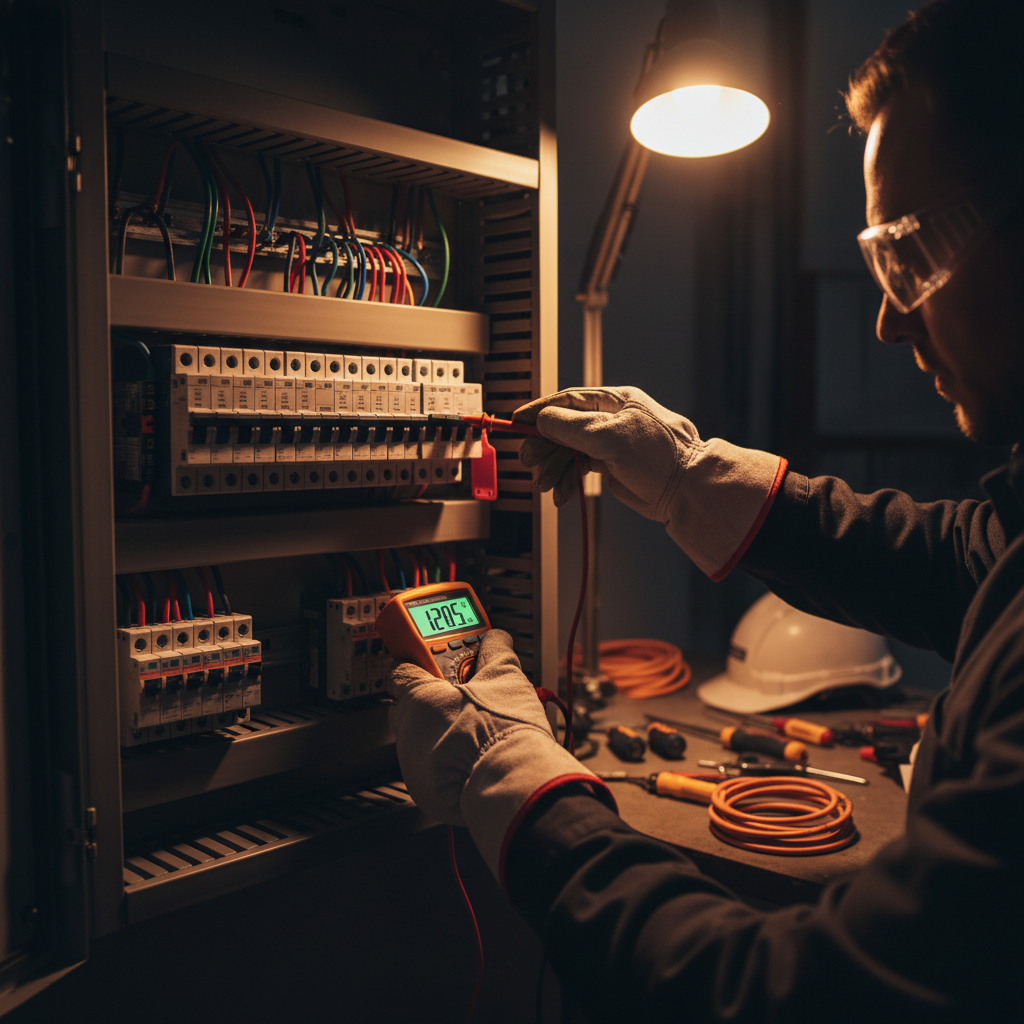
Before assuming you have a major wiring failure, follow a systematic approach to rule out simple causes. Start by unplugging every device from the affected circuit. This removes the possibility of a single faulty appliance or a shorted power strip continuously tripping the breaker while you try to diagnose the issue.
Next, perform a thorough search for tripped GFCI outlets throughout your property. Do not limit your search to the room where you have an electrical outlet not working; check the garage, basement, and outdoor areas. In many Fillmore homes, a GFCI located in a utility room or near the service panel might be controlling the power for several bedrooms or hallway outlets. Press the test button and then the reset button on every GFCI unit you find to ensure they are engaged.
After checking GFCIs, return to your main breaker panel. Even if no switches look out of place, firmly flip the breaker for the affected zone to the off position and then back to on. If the power does not restore, and you own a plug-in outlet tester, insert it into the receptacle. These tools provide diagnostic light codes that can identify issues like an open ground or reverse polarity. Having this information ready can help professional electrical services narrow down the fault more quickly once they arrive.
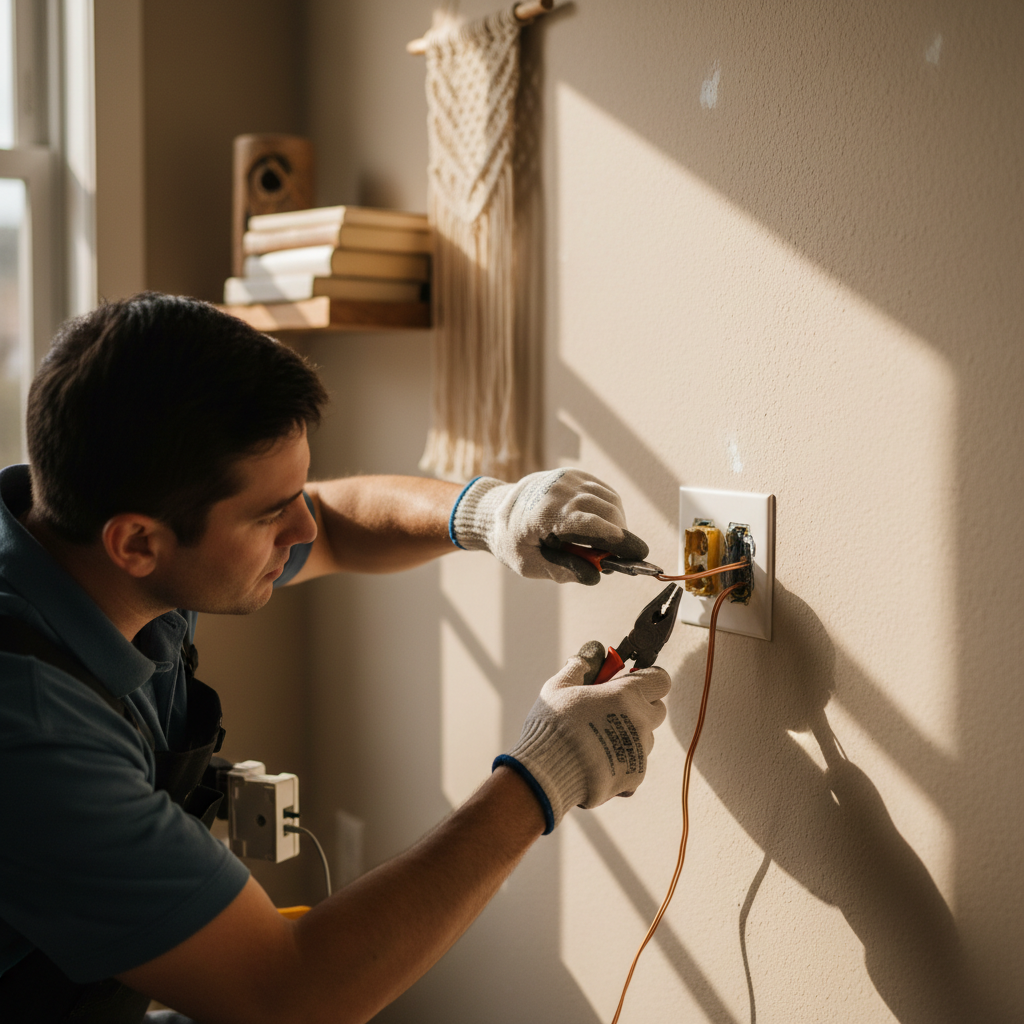
Under no circumstances should you attempt to revive an outlet by poking metal tools, such as screwdrivers or pliers, into the slots. This creates a high risk of electrocution or a dangerous arc flash. If these basic steps do not resolve the problem, the issue likely lies within the wall or the panel itself. At this stage, you should contact Gobes Electrical to perform a safe, professional diagnostic.
When to Call an Electrician for Outlet Repair

Basic troubleshooting has its limits, and knowing when to stop is essential for your safety. If you have an electrical outlet not working and notice a distinct smell of ozone or smoke, you must shut off the breaker immediately and stop all DIY attempts. These signs, along with visible charring or wall plates that feel hot, indicate a high risk of an electrical fire. You should also seek professional electrical services if your circuit breaker refuses to stay reset. A breaker that trips instantly is often reacting to a direct short or a significant ground fault that requires advanced testing to locate.
Flickering lights or intermittent power loss across multiple rooms often point toward a failing neutral connection or an issue within the main panel. These complexities are beyond the reach of standard home multimeters. Gobes Electrical utilizes modern diagnostic tools to identify hidden resistance and voltage drops that a visual inspection cannot detect. By pinpointing the exact failure point, we ensure long term safety and reliability for Fillmore properties. If your home shows these warning signs, you should contact Gobes Electrical to prevent a localized outlet failure from turning into a major system outage.